
Table of Contents
- Introduction
- What Is a Laneway or Garden Suite?
- Why Consider Building a Laneway or Garden Suite in Toronto?
- Toronto’s Laneway and Garden Suite Regulations: What You Need to Know
- Key Factors Affecting the Cost of Your Laneway or Garden Suite
- Detailed Cost Breakdown: What to Expect in 2025
- 6.1 Land and Lot Considerations
- 6.2 Design and Permits
- 6.3 Construction and Materials
- 6.4 Utilities and Infrastructure
- 6.5 Interior Finishing and Landscaping
- Comparing Laneway Suites vs. Garden Suites: Which Is Right for You?
- Home Addition or Home Extension? Integrating Your Suite with Your Existing Property
- Choosing the Right Toronto Contractor: Why David Reno is Your Best Choice
- Laneway and Garden Suites Beyond Toronto: Costs in Markham, Vaughan, Mississauga, North York, Scarborough, and Richmond Hill
- Frequently Asked Questions (FAQs)
- Conclusion
Introduction
With Toronto’s skyrocketing real estate prices and increasing demand for affordable housing options, more homeowners are looking at creative solutions to maximize their property’s potential. One such innovative approach gaining momentum is building legal laneway or garden suites—self-contained living spaces built on your existing lot. These structures offer a smart way to generate rental income, accommodate extended family, or simply add value to your property.
In this comprehensive 2025 cost guide, David Reno, a trusted Toronto contractor specializing in full home renovations and additions, breaks down everything you need to know about building a legal laneway or garden suite in Toronto and the Greater Toronto Area (GTA). Whether you live in Markham, Vaughan, North York, Mississauga, Scarborough, or Richmond Hill, this guide will walk you through the cost factors, regulations, and practical tips to help you make an informed decision about your home remodeling project.
What Is a Laneway or Garden Suite?
Laneway Suite: A detached secondary dwelling unit built at the rear of a residential property facing a public laneway. These are typically compact and accessed via back alleys.
Garden Suite: Also known as a backyard suite or granny flat, this is a small, self-contained residential unit located on the same lot as the primary residence but detached and usually placed in the backyard.
Both suites are designed to function as independent living quarters with a kitchen, bathroom, sleeping area, and private entrance.
Why Consider Building a Laneway or Garden Suite in Toronto?
- Additional Income: Rent out the suite for steady cash flow.
- Housing Flexibility: Accommodate aging parents, adult children, or guests comfortably.
- Increase Property Value: Boost the market value of your home through added livable space.
- Smart Land Use: Efficient use of small lot land in dense urban neighborhoods.
- Sustainability: Encourages compact, environmentally friendly living solutions.
Toronto’s Laneway and Garden Suite Regulations: What You Need to Know
Building a legal laneway or garden suite in Toronto requires compliance with city zoning bylaws, building codes, and permit requirements.
Key Regulations Include:
- Zoning: Not all properties qualify; lots must meet minimum size and frontage requirements.
- Size Limits: Suites typically capped at around 40-50% of the main home’s footprint or a maximum square footage (usually ~55 to 75 sq meters).
- Height Restrictions: Usually one or two-storey max, adhering to height limits to preserve neighborhood character.
- Parking Requirements: Some municipalities require an additional parking spot for the suite tenant.
- Setbacks: Minimum distance from property lines and neighboring buildings.
- Separate Utilities: Suites often require independent utility meters or sub-metering.
Obtaining the proper permits before construction is critical to avoid fines and ensure your investment is protected.
Key Factors Affecting the Cost of Your Laneway or Garden Suite
1. Lot Size and Shape
Smaller or irregular lots can increase design and construction complexity.
2. Site Preparation
Clearing, grading, and landscaping costs vary depending on existing conditions.
3. Design and Customization
More complex architectural designs, materials, and finishes raise expenses.
4. Foundation and Structure
Choices between slab, crawl space, or basement foundations impact costs.
5. Utilities and Infrastructure
Connecting to water, sewer, gas, electricity, and internet.
6. Interior Finishes
From basic to high-end finishes, cabinetry, flooring, and appliances influence pricing.
7. Permit and Fees
Application fees, development charges, and inspection costs.
8. Contractor Selection
Experienced Toronto contractors may charge higher rates but ensure quality and compliance.
Detailed Cost Breakdown: What to Expect in 2025
6.1 Land and Lot Considerations
If you own a small lot in Toronto or the GTA, the first step is to verify if your property is eligible for a laneway or garden suite based on local zoning rules. Small lots typically range from 300 to 500 square meters in the city core, with many laneway houses built on lots with rear laneway access.
- Cost Impact: Larger or better-shaped lots reduce construction challenges and costs.
- Estimated Cost: $0 if you already own your property, but lot constraints can add design costs ($5,000 – $15,000).
6.2 Design and Permits
Professional design and architectural plans are mandatory to comply with zoning and building codes. Expect to pay for site surveys, detailed drawings, and energy efficiency considerations.
- Design Fees: $10,000 – $25,000 depending on complexity.
- Permits and Approvals: Building permits in Toronto can range from $5,000 to $10,000+, including development charges and inspection fees.
- Additional Fees: Impact fees and utility connection fees might be required.
6.3 Construction and Materials
The bulk of your budget will be construction—foundation, framing, roofing, exterior walls, insulation, windows, and doors.
- Average Construction Cost per Square Foot: In 2025, expect $300 to $450 per sq ft for quality construction in Toronto.
- Laneway Suite Size: Usually between 400 to 800 sq ft.
- Estimated Cost: $120,000 to $360,000 depending on size and finish level.
6.4 Utilities and Infrastructure
Installing separate water, gas, sewer, and electrical services can add significantly to the budget, especially if utility hookups require trenching or upgrading the main service panel.
- Cost Range: $20,000 to $50,000 based on complexity and distance from main lines.
- Smart Metering: May increase initial cost but saves in long-term utility billing accuracy.
6.5 Interior Finishing and Landscaping
Interiors include drywall, flooring, cabinetry, bathroom and kitchen fixtures, lighting, and appliances.
- Basic Finish: Laminate flooring, standard cabinetry, and appliances may cost $30,000 to $50,000.
- High-End Finish: Hardwood flooring, custom cabinets, premium appliances, and luxury bathroom fixtures can push costs to $70,000 or more.
- Landscaping: Including patios, fences, and walkways may add another $10,000 to $25,000.
Comparing Laneway Suites vs. Garden Suites: Which Is Right for You?
| Aspect | Laneway Suite | Garden Suite |
|---|---|---|
| Location | Rear laneway access | Backyard, typically no laneway access |
| Size Limits | Often smaller, compact | Can be slightly larger |
| Access | Via public laneway | Private backyard entrance |
| Parking Requirement | Usually requires additional parking | May require parking depending on bylaws |
| Construction Cost | Slightly higher due to infrastructure | Often less due to simpler access |
| Privacy | More private, separated by laneway | Less private, shared backyard space |
Home Addition or Home Extension? Integrating Your Suite with Your Existing Property
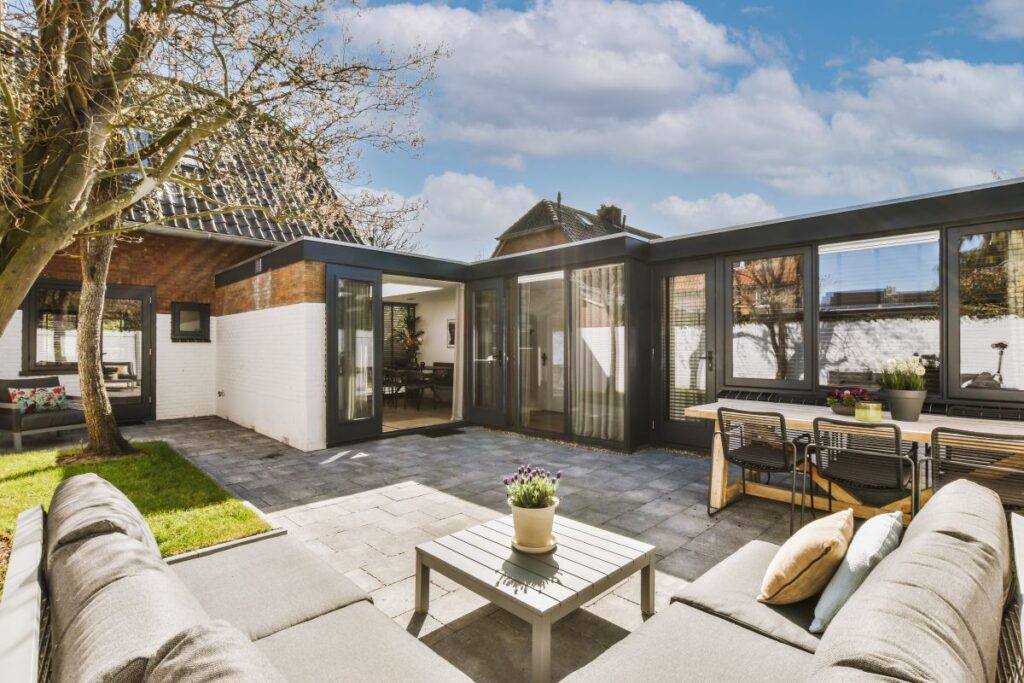
Sometimes homeowners confuse laneway/garden suites with home additions or extensions.
- Home Addition/Extension: Involves physically expanding the existing building footprint or building upwards.
- Laneway/Garden Suite: Separate detached dwelling on the same property.
David Reno specializes in all types of home remodeling and can help determine which solution maximizes your space and budget effectively.
Choosing the Right Toronto Contractor: Why David Reno is Your Best Choice
Building a legal laneway or garden suite requires expertise, quality workmanship, and thorough knowledge of local regulations. Here’s why David Reno stands out:
- Full-Service Renovation Experts: From design to construction, interior to exterior renovations.
- Experience Across GTA: Serving Toronto, Markham, Vaughan, Mississauga, Scarborough, North York, Richmond Hill, and beyond.
- Custom Home Build Specialists: Skilled in creating fully customized solutions tailored to your unique lot and lifestyle.
- Transparent Pricing: Clear, detailed estimates with no hidden fees.
- Licensed and Insured: Peace of mind with all permits and codes met.
- High-Quality Materials and Finishes: Focus on durability, sustainability, and aesthetics.
- Customer Satisfaction: Proven track record of delivering on time and on budget.
Laneway and Garden Suites Beyond Toronto: Costs in Markham, Vaughan, Mississauga, North York, Scarborough, and Richmond Hill
The Greater Toronto Area has diverse zoning bylaws and cost variations. Here’s a quick overview:
- Markham: Slightly lower construction and permit fees; lot sizes generally larger, allowing for bigger suites.
- Vaughan: Rapid growth area; increasing demand and prices; permits are strict but manageable.
- Mississauga: Well-established neighborhoods; higher permit fees but competitive construction pricing.
- North York: Urban core with small lots; costs similar to Toronto but design challenges due to limited space.
- Scarborough: More affordable land; potential for larger garden suites; permit fees vary by neighborhood.
- Richmond Hill: Suburban setting with family-oriented zoning; permit and construction costs are moderate.
Consult David Reno for a precise cost assessment tailored to your neighborhood.
Frequently Asked Questions (FAQs)

Q1: How long does it take to build a laneway or garden suite?
Typically, 6 to 12 months from design to completion, depending on complexity and permits.
Q2: Can I rent out my laneway or garden suite?
Yes, once the suite is legal and compliant with city bylaws, renting is allowed.
Q3: Do I need a separate entrance?
Yes, all suites must have an independent entrance.
Q4: Will building a suite increase my property taxes?
Possibly, as your property assessment may increase due to added value.
Q5: What financing options are available?
Home equity loans, construction loans, or personal financing options can be used.
Conclusion
Building a legal laneway or garden suite in Toronto and the GTA is an excellent investment that combines smart home renovation, income potential, and enhanced property value. However, the process involves careful planning, budgeting, and adherence to local regulations.
David Reno, with extensive experience in home additions, custom renovations, and residential construction, is your trusted partner for turning your vision into reality. Whether you are in Toronto, Markham, Vaughan, or beyond, we offer expert guidance, quality craftsmanship, and personalized service to ensure your laneway or garden suite project succeeds smoothly and beautifully. Contact us for more information.