
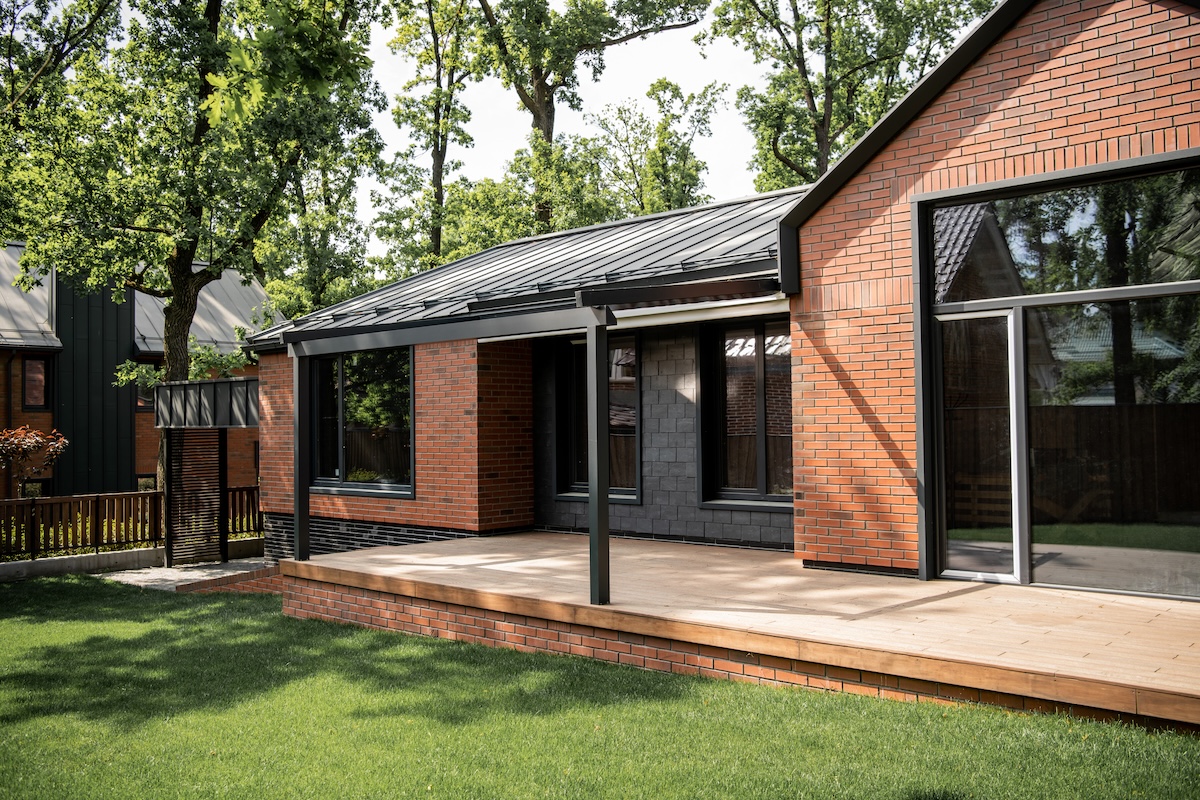
Summer in Toronto is short. And there’s no better way to make the most of it than a properly built backyard deck and shade structure — a real outdoor room where you can cook, entertain, and relax without battling the sun.
More Toronto homeowners than ever are investing in their backyards in 2026. The pandemic shifted how people think about their homes, and that shift hasn’t reversed: outdoor living space is now considered as valuable as indoor living space. A well-built deck with a pergola doesn’t just improve daily quality of life — it adds meaningful resale value in one of Canada’s most competitive real estate markets.
But deck and pergola costs in Toronto vary enormously — from an $8,000 pressure-treated platform to a $60,000+ custom composite build with motorized louvers and integrated lighting. The difference lies in materials, complexity, height, and what you add to the structure.
At David Reno, we build decks and pergolas across Toronto and the GTA — properly permitted, structurally sound, and built to handle Ontario’s freeze-thaw cycles. This guide gives you real 2026 pricing for every material and scope, so you can plan your backyard renovation with confidence.
Table of Contents
- 2026 Deck & Pergola Cost Quick Reference
- Deck Materials & Cost Per Square Foot
- Factors That Affect Deck Cost
- Pergola Types & Cost
- Add-Ons: Railings, Lighting, Stairs & Privacy
- Toronto Permits for Decks & Pergolas
- Complete Projects by Budget
- Build Timeline
- Maintenance Costs by Material
- How David Reno Can Help
- Tips to Save Money
- Frequently Asked Questions
2026 Deck & Pergola Cost Quick Reference
Here’s a snapshot of what Toronto homeowners are paying in 2026 — materials and labour combined.
| Project Type | Typical Size | Cost Range (CAD) | Notes |
|---|---|---|---|
| Pressure-Treated Deck | 200 sq ft | $8,000 – $14,000 | Most affordable, requires maintenance |
| Cedar Deck | 200 sq ft | $12,000 – $20,000 | Beautiful, natural look, moderate maintenance |
| Composite Deck (Trex / Fiberon) | 200 sq ft | $16,000 – $28,000 | Low maintenance, 25–30 year lifespan |
| PVC Deck | 200 sq ft | $18,000 – $32,000 | Premium, virtually no maintenance |
| Wood Pergola (freestanding) | 12 × 12 ft | $8,000 – $15,000 | Classic look, requires staining/sealing |
| Aluminum Pergola (standard) | 12 × 16 ft | $15,000 – $25,000 | Low maintenance, weather-resistant |
| Aluminum Pergola (motorized louvres) | 12 × 16 ft | $22,000 – $40,000 | Full rain/shade control, integrated lighting |
| Deck + Pergola Combined | 300 sq ft deck + pergola | $25,000 – $60,000+ | Depends on materials and complexity |
Deck Materials & Cost Per Square Foot
The single biggest driver of deck cost is material choice. Here’s an honest breakdown of what each material costs — and what you’re actually getting for the money.
Pressure-Treated Wood — $30 to $50 per Sq. Ft. Installed
Pressure-treated (PT) lumber is chemically treated pine or spruce, designed to resist rot, insects, and moisture. It remains Toronto’s most popular choice for budget-conscious homeowners, and for good reason — it performs well in Ontario’s climate at the lowest possible cost.
| Deck Size | Estimated Cost (PT) |
|---|---|
| 100 sq ft (10 × 10) | $3,000 – $5,000 |
| 200 sq ft (10 × 20) | $8,000 – $12,000 |
| 300 sq ft (15 × 20) | $12,000 – $18,000 |
| 400 sq ft (20 × 20) | $16,000 – $24,000 |
Pros: Lowest upfront cost, widely available, handles Ontario freeze-thaw well when properly sealed, 15–20 year lifespan with maintenance.
Cons: Requires annual cleaning and sealing. Can splinter or warp over time. Turns grey without staining. New PT lumber contains moisture — requires acclimation before finishing.
Best for: Budget-conscious homeowners, starter homes, properties where resale is planned within 5–10 years.
Cedar — $40 to $65 per Sq. Ft. Installed
Western Red Cedar is a premium natural wood with a warm, honey-brown tone and natural oils that resist rot and insects without chemical treatment. It’s a popular upgrade from pressure-treated for Toronto homeowners who want natural wood aesthetics with better performance.
| Deck Size | Estimated Cost (Cedar) |
|---|---|
| 100 sq ft | $4,000 – $7,000 |
| 200 sq ft | $10,000 – $16,000 |
| 300 sq ft | $15,000 – $24,000 |
| 400 sq ft | $20,000 – $32,000 |
Pros: Beautiful natural grain, naturally rot-resistant, lighter than PT (easier on structural framing), splinter-resistant, handles Toronto’s climate very well.
Cons: More expensive than PT. Still requires staining every 2–3 years to maintain colour. Price of cedar has increased 20–30% since 2021 due to supply chain conditions.
Best for: Homeowners who want a natural wood look, higher-end properties, projects where aesthetics are a priority.
Composite Decking (Trex, Fiberon) — $55 to $90 per Sq. Ft. Installed
Composite decking is a wood-plastic blend engineered to look like natural wood while requiring virtually no maintenance. Brands like Trex, Fiberon, and Deckorators dominate the Toronto market in 2026. Capped composite (protective polymer shell) is the standard — it resists staining, fading, and moisture far better than older uncapped products.
| Deck Size | Estimated Cost (Composite) |
|---|---|
| 100 sq ft | $6,000 – $10,000 |
| 200 sq ft | $14,000 – $22,000 |
| 300 sq ft | $20,000 – $32,000 |
| 400 sq ft | $26,000 – $42,000 |
Pros: Virtually maintenance-free (just wash with soap and water). 25–30 year lifespan. Won’t splinter, warp, or rot. Excellent colour retention. Most brands offer 25-year limited warranties.
Cons: Higher upfront cost. Some products can feel hot underfoot in direct sun. Can scratch (though capped composite is much more resistant).
Best for: Long-term homeowners, families with young children (no splinters), properties where resale value is a priority, homeowners who don’t want to maintain a deck every year.
PVC Decking — $65 to $100 per Sq. Ft. Installed
PVC (polyvinyl chloride) decking is the premium synthetic option — made entirely from cellular PVC, not wood-plastic composite. It offers the absolute lowest maintenance of any decking product with exceptional durability.
| Deck Size | Estimated Cost (PVC) |
|---|---|
| 100 sq ft | $7,000 – $11,000 |
| 200 sq ft | $16,000 – $24,000 |
| 300 sq ft | $24,000 – $36,000 |
| 400 sq ft | $32,000 – $48,000 |
Pros: Zero maintenance. Completely resistant to moisture, mould, mildew, rot, and insects. Won’t stain, crack, warp or fade. Lightest weight of all decking materials.
Cons: Highest upfront cost. Can expand/contract in extreme temperatures (proper installation gap is critical). Less natural look than wood or composite.
Best for: Luxury builds, pool decks, waterfront properties, homeowners who want a never-maintain deck for 30+ years.
Factors That Affect Deck Cost in Toronto
1. Deck Height
Ground-level decks are significantly cheaper than elevated decks. Height means taller posts, more framing, extra safety work, and structural complexity.
- Ground level (under 24″): Base price — simplest to build
- Raised deck with stairs: Add $2,000 – $5,000
- Second-storey walkout: Add $8,000 – $18,000
2. Shape & Layout
Simple rectangles are cheapest to build. Every angle, curve, or level change adds cutting, fitting, and labour time.
- Simple rectangle: Base price
- L-shaped or angled: Add 10–15%
- Multi-level: Add 25–40%
- Curved edges: Add 20–30%
3. Footings
In Toronto, deck footings must extend below the frost line (1.2 metres minimum per Ontario Building Code). Helical piers, concrete tube footings, or precast pads are the main options. Proper footings cost $300–$600 per footing — and a 200 sq ft deck typically needs 6–8 footings. Skimping on footings in Toronto’s climate is how decks fail.
4. Railing Type
Railings are a significant cost variable. Required by code for decks more than 24 inches above grade.
- Pressure-treated wood railings: $30–$50/linear foot
- Aluminum railings: $50–$80/linear foot
- Cable railings: $80–$120/linear foot
- Glass panel railings: $100–$175/linear foot
5. Demolition of Old Deck
Removing an existing deck before building new adds $1,500–$3,500 depending on size and material. Always factor this into your budget if you’re replacing an existing structure.
6. Setback & Lot Restrictions
Toronto zoning bylaws require minimum setbacks from property lines, fences, and structures. Depending on your lot, these restrictions may limit deck size or require a variance application. David Reno reviews setback requirements during the estimate visit — before design begins.
Pergola Types & Cost in Toronto 2026
A pergola transforms a deck from a platform into a room — adding shade, structure, and visual definition to your outdoor space. Toronto homeowners are adding pergolas at a record pace in 2026, driven by the desire for sun protection and year-round usability.
Wood Pergola — $8,000 to $18,000
Wood pergolas (cedar, Douglas fir, or pressure-treated) are the traditional choice — open-beam structure, classic look, easy to customize. They provide partial shade (typically 30–50%) and are ideal for growing climbing vines or hanging string lights.
| Size | Wood Pergola Cost |
|---|---|
| 10 × 10 ft (freestanding) | $5,000 – $9,000 |
| 12 × 12 ft | $8,000 – $14,000 |
| 12 × 16 ft (attached) | $9,000 – $16,000 |
| 16 × 20 ft (large freestanding) | $14,000 – $22,000 |
Pros: Beautiful natural aesthetic, works with most home styles, customizable design, supports climbing plants.
Cons: Requires staining or sealing every 2–3 years to prevent weathering. Open-beam design provides partial shade only (not rain protection).
Best for: Homeowners who want a natural look, garden enthusiasts, traditional home styles.
Aluminum Pergola — $15,000 to $40,000+
Aluminum pergolas are engineered outdoor structures built to Ontario’s climate demands — they don’t rot, rust, warp, or require maintenance. The premium version features motorized adjustable louvres: you rotate the roof panels to control sun and rain in real time.
| Type | Size | Cost |
|---|---|---|
| Aluminum fixed-roof pergola | 12 × 12 ft | $12,000 – $18,000 |
| Aluminum motorized louvred pergola | 12 × 16 ft | $20,000 – $32,000 |
| Aluminum motorized + lighting + heating | 14 × 20 ft | $28,000 – $45,000 |
Pros: Zero maintenance, adjustable shade/rain control (motorized), integrated LED lighting and heating options available, handles GTA snow loads well, 20–30 year lifespan.
Cons: Higher cost, more modern/contemporary aesthetic (less traditional), requires electrical work for motorized systems.
Best for: Homeowners who want year-round outdoor space, modern/contemporary homes, those who want maximum functionality with zero maintenance.
Attached vs. Freestanding Pergola
| Attached Pergola | Freestanding Pergola | |
|---|---|---|
| Connection | Bolted to house structure | Independent posts, no home connection |
| Cost | $6,000 – $18,000 | $8,000 – $25,000 |
| Permit | Almost always required | Required if over 108 sq ft or 2.5m tall |
| Advantages | Seamless indoor-outdoor transition, shares home’s electrical | Can be placed anywhere in yard, more flexible positioning |
| Best for | Deck extensions, back doors, covered dining areas | Garden placement, pool areas, separate entertaining zones |
Add-Ons: Railings, Lighting, Stairs & Privacy
| Add-On | Cost | Notes |
|---|---|---|
| Wood railings | $30 – $50/linear ft | Required by code above 24″ height |
| Aluminum railings | $50 – $80/linear ft | Low maintenance, clean look |
| Glass panel railings | $100 – $175/linear ft | Premium, maximizes backyard view |
| Single stair run (3–4 steps) | $800 – $2,000 | Depends on width and material |
| LED deck lighting (step + rail lights) | $800 – $2,500 | Low-voltage, ESA permit may be required |
| Privacy screen (wood or composite) | $1,500 – $4,000 | Popular in Toronto’s semi-detached neighbourhoods |
| Built-in bench seating | $800 – $2,000 | Great for smaller decks where furniture space is limited |
| Pergola shade sail (fabric) | $500 – $1,500 | Budget alternative to motorized pergola |
Toronto Permits for Decks & Pergolas
Permit requirements are one of the most misunderstood parts of outdoor construction in Toronto. Here’s exactly what’s required:
| Project | Permit Required? | Fee Range |
|---|---|---|
| Deck under 108 sq ft, under 24″ off grade, detached | Generally not required | N/A |
| Deck over 108 sq ft | Yes | $300 – $800 |
| Deck more than 24″ above grade | Yes | $300 – $800 |
| Attached deck (any size) | Yes | $300 – $800 |
| Pergola attached to home | Yes — always | $400 – $1,000 |
| Freestanding pergola under 108 sq ft, under 2.5m tall | Usually not required | N/A — confirm with City |
| Freestanding pergola over 108 sq ft or over 2.5m tall | Yes | $300 – $800 |
| Electrical work (lighting, motorized systems) | ESA permit required | $150 – $300 |
Complete Backyard Projects by Budget
Budget: $8,000 – $15,000
Target: First deck, smaller lot, budget-conscious homeowner wanting a proper outdoor space.
What you get:
- 200 sq ft pressure-treated deck (ground level): $8,000 – $12,000
- Basic PT wood railings: $1,500 – $2,500
- Single stair run: $800 – $1,200
- City of Toronto permit (if required): $300 – $600
- Simple shade sail or umbrella (not a pergola): $500 – $800
What to expect: A solid, functional deck that transforms your backyard. PT lumber is the trade-off — you’ll need to seal it annually, and it may grey over time without staining. But at this price, you get real outdoor living space this summer.
Best for: Starter homes, budget renovators, properties where resale is near-term.
Mid-Range: $20,000 – $35,000
Target: The most popular tier — serious outdoor living with quality materials and shade structure.
What you get:
- 300 sq ft composite deck (ground or slightly raised): $16,000 – $24,000
- Aluminum railings with cable or glass infill: $3,000 – $5,000
- Stair run (with composite treads): $1,200 – $2,000
- Attached wood or aluminum pergola (12 × 14 ft): $9,000 – $16,000
- LED step and rail lighting: $800 – $1,500
- Permits (deck + pergola): $600 – $1,000
What to expect: A proper outdoor room. Composite decking means no maintenance for 25+ years. A pergola adds shade and structure. This is the setup that genuinely extends your living space — where you’ll actually spend time morning coffee to sunset.
Best for: Long-term Toronto homeowners, families, homeowners focused on resale value and daily lifestyle improvement.
Premium: $40,000 – $70,000+
Target: Full outdoor living space — composite deck, motorized pergola, integrated lighting and privacy.
What you get:
- 400+ sq ft composite or PVC deck with multi-level design: $25,000 – $40,000
- Glass panel railings: $5,000 – $8,000
- Custom stairs (wide, composite treads): $2,500 – $4,000
- Motorized aluminum pergola with louvres (14 × 20 ft): $28,000 – $40,000
- Integrated LED lighting (deck, pergola, stairs): $2,500 – $4,000
- Privacy screens (composite): $2,000 – $4,000
- Built-in bench seating: $1,500 – $2,500
- Electrical work + ESA permit: $1,500 – $2,500
- All permits: $800 – $1,200
What to expect: A fully usable outdoor room from May to October. The motorized pergola opens in sun, closes in rain — you stay outside regardless of weather. This is an investment that significantly adds to home resale value and transforms daily quality of life.
Best for: High-end Toronto homes, entertainment-focused families, homeowners planning a 10+ year stay, properties in premium neighbourhoods like Leaside, Rosedale, Bloor West Village, or The Beach.
Build Timeline
| Phase | Duration | What Happens |
|---|---|---|
| On-site assessment & design | 1 day | Measurements, setback review, design discussion, quote preparation |
| Permit application (if required) | 2 – 4 weeks | City of Toronto processing time; we submit immediately after deposit |
| Material ordering | 1 – 3 weeks | Composite and pergola materials ordered; PT wood usually stocked locally |
| Footing installation | 1 – 2 days | Frost-line footings poured and cured (concrete requires 24–48 hr curing) |
| Framing & deck installation | 2 – 5 days | Joist framing, decking boards laid, railings installed |
| Pergola installation | 2 – 4 days | Posts, beams, roof structure — or aluminum pergola system assembly |
| Electrical work (lighting) | 1 – 2 days | Licensed electrician installs lighting, motorized connections, ESA inspection |
| Final inspection & cleanup | 1 day | City inspection (if required), site cleanup, final walkthrough |
Total timeline: A standard deck project (no pergola) takes 1–2 weeks of construction once permits are issued. A combined deck and pergola project runs 2–4 weeks of construction. Permit approval (2–4 weeks) is the primary variable — we submit immediately after project confirmation so construction can begin the moment permits are issued.
Maintenance Costs by Material (10-Year Comparison)
| Material | Initial Cost (200 sq ft) | Annual Maintenance | 10-Year Total |
|---|---|---|---|
| Pressure-Treated | $10,000 | $300 – $600 (cleaning, sealing) | $13,000 – $16,000 |
| Cedar | $14,000 | $400 – $700 (staining, sealing) | $18,000 – $21,000 |
| Composite | $18,000 | $50 – $100 (occasional washing) | $18,500 – $19,000 |
| PVC | $20,000 | $0 – $50 (rinse off) | $20,000 – $20,500 |
This is why composite and PVC often win on a total cost-of-ownership basis. The higher upfront investment is largely offset by 10 years of avoided maintenance.
How David Reno Can Help
David Reno builds decks and pergolas across Toronto and the GTA — properly designed, fully permitted, and built to handle Ontario’s climate for decades. We bring the same standards to outdoor construction that we apply to interior renovation: licensed trades, written warranties, permit management, and fixed-price quotes.
What we handle on every project:
- On-site assessment: We visit your backyard, take measurements, review setbacks, and discuss your vision and budget before quoting
- Design & layout: We recommend deck size, shape, and pergola positioning based on your yard orientation, sun exposure, and how you plan to use the space
- Permit management: We submit all City of Toronto building permit applications and coordinate inspections — you never deal with the permit office
- Frost-line footings: Every David Reno deck is built with footings below Toronto’s frost line (1.2m). No shortcuts that fail after the first winter
- Licensed trades: Electrical work for lighting and motorized pergolas is handled by ESA-licensed electricians with proper permits
- Fixed-price written quote: No surprises. Every line item is documented before work begins — materials, labour, permits, disposal
- Written labour warranty: All David Reno construction work carries a written labour warranty
Tips to Save Money on Your Deck & Pergola
1. Keep the Shape Simple
A rectangular deck costs significantly less than an L-shaped or multi-level design. Save money on shape; invest in better material quality instead.
2. Build at Grade (Ground Level)
A ground-level deck avoids the cost of tall posts, complex framing, and second-storey permits. If your yard allows it, ground level is the most cost-effective configuration.
3. Choose Composite Over Cedar for Long-Term Value
Cedar looks beautiful but requires staining every 2–3 years. Over 10 years, composite often costs less in total — and you never spend a weekend staining.
4. Plan for Add-Ons Upfront
Adding a pergola to a deck during initial construction is significantly cheaper than retrofitting one later. Same for built-in seating, lighting conduit, and privacy screens. Tell your contractor your 5-year vision at the estimate stage — they can rough in infrastructure (electrical conduit, post footings) now for much less than doing it later.
5. Start with a Wood Pergola, Upgrade Later
A solid cedar pergola at $10,000–$14,000 is a great first step. If you later want a motorized aluminum pergola, the existing footings can often be reused.
6. Book in Fall or Early Spring
Summer is peak season — some contractors charge more, and lead times are longest. Fall builds (September–October) often have more availability and competitive pricing.
Frequently Asked Questions
How much does a deck cost in Toronto in 2026?
Toronto deck costs range from $8,000 for a basic 200 sq ft pressure-treated deck to $35,000+ for a composite deck with glass railings. Per square foot, expect $30–$50/sq ft for pressure-treated, $55–$90/sq ft for composite. Height, shape, and railings are the biggest cost variables after material choice.
How much does a pergola cost in Toronto?
Wood pergolas run $8,000–$18,000 for a standard 12 × 12 to 12 × 16 ft structure. Aluminum pergolas with motorized louvres cost $20,000–$40,000 depending on size and features. Attached pergolas are slightly less expensive than freestanding ones of the same size.
Do I need a permit for a deck or pergola in Toronto?
Yes, in most cases. A building permit is required for any deck over 108 sq ft, any deck more than 24 inches off grade, and all attached pergolas. Freestanding pergolas under 108 sq ft may be exempt — but always verify with the City of Toronto. Permit fees run $300–$800 for most residential projects. David Reno manages all permit applications on your behalf.
How long does a deck build take in Toronto?
Construction takes 1–2 weeks for a standard deck, 2–4 weeks for a combined deck and pergola. Permit approval (2–4 weeks) is the primary timeline driver — we submit applications immediately after project confirmation. Plan for 6–8 weeks total from first call to first barbecue.
What’s the best decking material for Toronto’s climate?
Composite decking (Trex, Fiberon) is the best performer for Toronto’s freeze-thaw cycles — it doesn’t absorb moisture, won’t warp or crack, and handles temperature swings from -25°C to +35°C without issue. PVC is marginally better in moisture performance but more expensive. Pressure-treated is a solid budget option when properly installed with below-frost footings and annual maintenance.
Is a deck worth it in the Toronto real estate market?
Yes. Toronto homes with well-built decks consistently sell faster and at higher prices than equivalent homes without outdoor living space. A mid-range deck typically returns 65–75% of cost in added resale value — and more importantly, it’s usable for the years you live there. A pergola adds further value by creating defined outdoor living space that buyers increasingly expect.
Ready to Build Your Deck & Pergola in Toronto?
Summer in Toronto is short. Don’t spend it wishing you had an outdoor space — build one.
David Reno builds decks and pergolas across Toronto and the GTA — from budget pressure-treated platforms to premium composite builds with motorized aluminum pergolas. Every project is fully permitted, frost-line footed, and backed by a written warranty.
We serve North York, Scarborough, Etobicoke, Mississauga, Markham, Leaside, The Beach, Bloor West Village, and all of Toronto.
🌿 Call us today: (647) 463-2246
📧 Email: info@davidreno.ca
📍 Serving all of Toronto & GTA
⚡ Summer booking spots fill quickly — call today to secure your build date.