
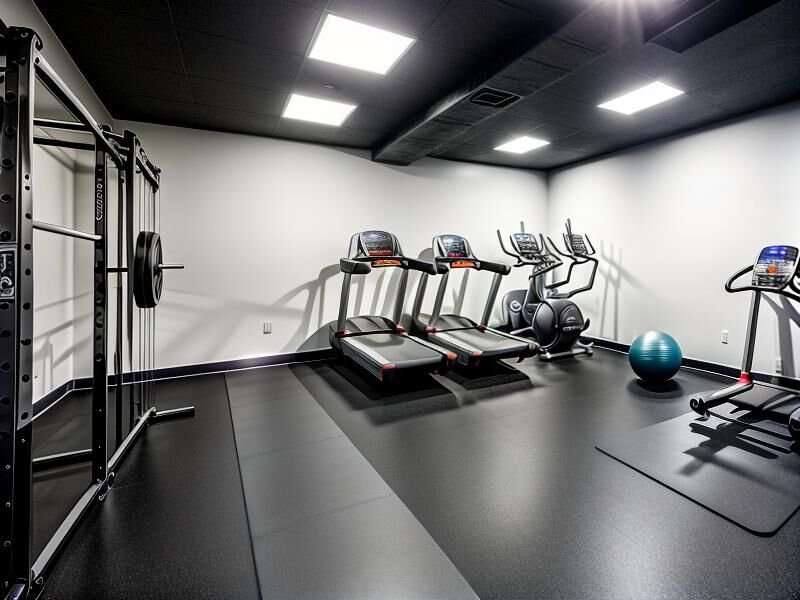
A home gym is one of the smartest investments a Toronto homeowner can make. No more expensive gym memberships. No commute to the gym. No waiting for equipment during peak hours. Just open your door to a dedicated space designed exactly for your fitness goals — on your schedule, in your climate-controlled space.
But the question most Toronto homeowners ask is straightforward: “How much will this actually cost?”
The answer depends heavily on what you’re building. Are you converting a spare bedroom into a simple cardio setup? Finishing a basement with climate control and heavy lifting platforms? Building a professional-grade training space? The cost spectrum is wide — from a basic $3,000 setup to a $50,000+ custom renovation.
At David Reno, we’ve built dozens of home gyms across Toronto and the GTA — in basements, spare rooms, garages, and dedicated spaces. We know the equipment costs, the construction requirements (flooring, ventilation, electrical), and the realistic timelines. This guide breaks down real 2026 Toronto pricing for every component — so you can make the right choice for your space and budget.
Table of Contents
- Home Gym Cost Quick Reference (2026)
- Cost Breakdown: Equipment vs. Construction
- Equipment Installation Costs
- Construction & Renovation Costs
- Factors That Influence Home Gym Costs
- Home Gym Setup by Budget
- Home Gym Setup by Room Type
- Installation Timeline
- DIY vs. Professional Installation
- How David Reno Can Help
- Tips to Save Money on Your Home Gym
- Frequently Asked Questions
Home Gym Cost Quick Reference (2026)
Here’s an at-a-glance breakdown of typical home gym renovation costs in Toronto for 2026 — equipment and construction combined, by setup type and budget tier.
| Setup Type | Space Required | Equipment Cost | Construction Cost | Total Cost | Best For |
|---|---|---|---|---|---|
| Basic Cardio Only | 200 sq ft | $1,500 – $3,500 | $1,500 – $3,000 | $3,000 – $6,500 | Running, cycling, yoga |
| Basic Strength | 300 sq ft | $2,000 – $5,000 | $2,000 – $4,000 | $4,000 – $9,000 | Dumbbells, machines, basic lifting |
| Mixed Cardio + Strength | 400 sq ft | $4,000 – $8,000 | $4,000 – $7,000 | $8,000 – $15,000 | Treadmill, bikes, weights, machines |
| Premium / Dedicated Space | 500+ sq ft | $8,000 – $15,000 | $12,000 – $25,000 | $25,000 – $40,000 | Professional-grade, multiple users, training studio |
| Luxury / Custom Build | 600+ sq ft | $15,000 – $30,000 | $25,000 – $50,000+ | $50,000+ | Full renovation, climate control, premium everything |
Cost Breakdown: Equipment vs. Construction
Home gym costs split into two major categories: the actual fitness equipment, and the construction/renovation work required to make the space functional. Understanding this split helps you see where your money is going — and where you can adjust priorities.
Equipment Costs (30-50% of total budget)
Equipment is what you use to work out — treadmills, dumbbells, barbells, benches, machines, etc. These are largely optional (you can start with no equipment) and easily upgraded or replaced as your fitness goals evolve.
- Budget equipment (used): $1,000 – $3,000
- Mid-range new equipment: $3,000 – $8,000
- Premium equipment: $8,000 – $20,000+
Construction Costs (50-70% of total budget)
Construction is the renovation work required to make the space safe, functional, and comfortable — flooring, ventilation, electrical, moisture control, soundproofing. Unlike equipment, these costs are largely fixed and depend on your room size, existing conditions, and climate requirements.
- Flooring: $1,000 – $5,000 (rubber, vinyl, concrete coating)
- Ventilation & HVAC: $2,000 – $8,000 (fans, ducting, conditioning)
- Electrical: $1,500 – $4,000 (outlets, lighting, circuits)
- Walls, mirrors, lighting: $2,000 – $4,000
- Soundproofing (optional): $1,500 – $3,000+
Equipment Installation Costs
Equipment costs vary dramatically depending on whether you’re buying new or used, brand name or generic, and which type of workout you’re prioritizing. Here’s a practical breakdown by category.
Cardio Equipment
Treadmills, stationary bikes, rowing machines, and ellipticals are the foundation of most home gyms.
| Equipment | Budget New | Mid-Range New | Premium New | Used Average |
|---|---|---|---|---|
| Treadmill | $400 – $800 | $1,200 – $2,500 | $3,500 – $6,000 | $300 – $600 |
| Stationary Bike | $300 – $600 | $1,000 – $2,000 | $2,500 – $4,500 | $200 – $400 |
| Rowing Machine | $400 – $800 | $1,200 – $2,000 | $2,500 – $4,000 | $300 – $600 |
| Elliptical | $500 – $1,000 | $1,500 – $2,500 | $3,500 – $5,500 | $400 – $800 |
| Peloton / Smart Bike | N/A | $1,995 – $2,500 | $2,500 – $3,000+ | $800 – $1,500 |
Key insight: Used cardio equipment is often 40-60% cheaper than new, and usually in great condition (most gyms see light use). Quality matters — cheap treadmills fail quickly, while mid-range equipment typically lasts 10+ years with minimal maintenance.
Strength Training Equipment
Dumbbells, barbells, benches, and free weight racks form the core of most serious home gyms. These are durable, largely timeless investments.
| Equipment | Budget Option | Mid-Range | Premium |
|---|---|---|---|
| Dumbbell Set (10-50 lbs) | $300 – $600 | $800 – $1,500 | $1,500 – $3,000 |
| Adjustable Dumbbells (pair) | $400 – $700 | $1,000 – $1,800 | $2,000 – $4,000 |
| Barbell + 150 lbs Plates | $300 – $500 | $700 – $1,200 | $1,500 – $3,000 |
| Power Rack / Squat Stand | $400 – $700 | $1,000 – $1,800 | $2,000 – $4,000 |
| Weight Bench (flat, incline, decline) | $150 – $400 | $500 – $1,200 | $1,500 – $3,000 |
| Cable Machine / Functional Trainer | $1,500 – $2,500 | $3,000 – $5,000 | $6,000 – $10,000+ |
Key insight: Free weights (dumbbells, barbells) are the best investment for space and money. Machines take more space and cost more, but if you prioritize isolation exercises or have limited mobility, they’re worth it.
Functional & Group Training Equipment
Medicine balls, kettlebells, resistance bands, yoga mats, suspension training, and functional tools expand workout options without breaking the bank.
- Kettlebell set (3-4 different weights): $150 – $400
- Resistance bands (assorted): $50 – $150
- Medicine balls (2-4 different weights): $100 – $300
- TRX / Suspension trainer: $100 – $200
- Yoga mat + foam roller: $50 – $150
- Battle ropes: $80 – $200
- Box / plyo platform: $100 – $300
- Ab wheel, pull-up bar, chin-up assist: $50 – $300
These items are affordable and highly versatile. Budget $500-$1,500 to round out your gym with functional equipment that expands your training options significantly.
Construction & Renovation Costs
The construction work required depends on your space condition, room type, and climate control goals. Here’s what each component costs in a typical Toronto home gym renovation.
Flooring (Rubber, Vinyl, Concrete) — $1,000 to $5,000
Gym flooring must absorb impact, resist moisture, and handle heavy equipment. Concrete flooring is cheapest; rubber is most gym-appropriate; vinyl bridges the gap.
| Flooring Type | Cost per Sq. Ft. | For 300 Sq. Ft. | Durability |
|---|---|---|---|
| Concrete Epoxy Coating | $3 – $6 | $900 – $1,800 | 10+ years |
| Interlocking Rubber Tiles | $4 – $8 | $1,200 – $2,400 | 10-15 years |
| Rolled Rubber Matting | $5 – $10 | $1,500 – $3,000 | 8-12 years |
| Vinyl Planking (LVP) | $3 – $7 | $900 – $2,100 | 10-15 years |
| Premium Gym Flooring (commercial grade) | $8 – $15 | $2,400 – $4,500 | 15+ years |
Toronto recommendation: Interlocking rubber tiles ($1,200-$2,400 for 300 sq ft) are ideal for home gyms. They absorb impact, handle moisture from sweat, protect equipment from damage, and are easy to replace if damaged.
Ventilation & Climate Control — $2,000 to $8,000+
A home gym generates heat, humidity, and sweat odor. Proper ventilation is essential, especially in basements. The cost depends on whether you’re adding a fan or upgrading your entire HVAC system.
| Solution | Cost | Coverage | Best For |
|---|---|---|---|
| Window AC / Portable AC Unit | $600 – $1,500 | 200-300 sq ft | Small rooms, temporary solution |
| Ceiling Exhaust Fan + Ductwork | $800 – $2,000 | 300-400 sq ft | Basements, enclosed rooms |
| Mini-Split AC System (ductless) | $2,500 – $4,500 | 400-500 sq ft | Year-round comfort, efficient cooling |
| Full HVAC Upgrade / Zoning | $5,000 – $8,000+ | Whole basement or home | Large gym spaces, luxury build |
Toronto climate reality: Summers are hot and humid; winters are cold. A basement home gym without ventilation becomes swampy in summer and cold in winter. Budget $1,500-$3,000 for a basic exhaust fan and AC unit in most cases.
Electrical (Power, Lighting, Outlets) — $1,500 to $4,000
A home gym requires reliable power for multiple pieces of equipment, LED lighting, and charging outlets. Electrical work must meet Ontario Building Code standards and requires a licensed electrician and ESA permit.
| Electrical Work | Cost | Description |
|---|---|---|
| New 20-amp circuit + outlets | $500 – $1,200 | For cardio equipment, treadmills |
| LED overhead lighting (300 sq ft) | $600 – $1,200 | Bright, energy-efficient, dimmable |
| USB charging outlets (multiple) | $200 – $400 | For phones, watches, earbuds |
| Smart lighting system | $300 – $800 | Control brightness, colour, scheduling |
| ESA permit + inspection | $150 – $300 | Required by code for new circuits |
| Dedicated subpanel (large gyms) | $2,000 – $3,000 | For gyms with multiple major appliances |
Typical setup: One new 20-amp circuit, bright LED lighting, and a few USB outlets costs $1,500-$2,500 including permit and inspection.
Walls & Mirrors — $1,500 to $3,500
Mirrors are optional but improve the feel of your gym significantly (you can check form, see yourself workout). Wall prep and finishing depend on existing basement or room condition.
- Drywall repair / finishing: $1,000 – $2,000
- Mirrors (wall-mounted, 400 sq ft): $800 – $1,500
- Paint (high-quality, motivational colours): $400 – $800
- Trim, baseboards, finished look: $300 – $600
Pro tip: Mirrors make a 300 sq ft gym feel much larger and more professional. Budget for at least one wall of mirrors.
Soundproofing (Optional) — $1,500 to $5,000+
If your gym is above neighbors’ bedrooms or you want to minimize noise traveling upstairs, soundproofing is worth considering. Dropping weights, loud music, and heavy cardio equipment create noise.
Soundproofing options:
- Acoustic foam panels on walls: $500 – $1,000 (partial solution)
- Resilient channels + drywall (full wall soundproofing): $2,000 – $3,500
- Under-floor isolation (quieter cardio equipment above neighbors): $1,500 – $3,000
- Bass traps + professional acoustic treatment: $3,000 – $5,000+
Toronto reality: If your gym is in a basement and you’re not directly over a neighbor’s bedroom, basic rubber flooring usually absorbs enough impact. Soundproofing is a “nice to have” rather than essential for most home gyms.
Factors That Influence Home Gym Costs
1. Room Location & Condition
A finished basement with dry, level flooring is ideal — minimal prep required. A raw basement with moisture issues, uneven concrete, or mold requires repair work first (add $2,000-$5,000). A garage gym may require insulation and heating (add $3,000-$6,000).
2. Climate Control Priorities
Year-round comfort requires ventilation in summer and heating in winter. A simple exhaust fan ($1,000-$2,000) is cheaper than a mini-split AC system ($3,500-$5,000). Choose based on your gym use frequency and budget.
3. Equipment Grade (New vs. Used)
New equipment is more expensive but comes with warranties and guarantees. Used equipment is 40-70% cheaper and often in great condition — but no warranty. Many Toronto homeowners start with used equipment and upgrade over time.
4. Size of Space
Larger gyms cost more (more flooring, ventilation, lighting, electrical). A 300 sq ft gym costs less than a 600 sq ft gym — but offers less flexibility. Most home gyms are 300-500 sq ft, which is sufficient for diverse training.
5. Professional Installation vs. DIY
Flooring, ventilation, and electrical require professionals. Equipment setup (bikes, treadmills, racks) is often DIY-friendly. Professional installation ensures code compliance, warranty coverage, and longevity.
Home Gym Setup by Budget
Here’s what you can realistically build at different budget levels in Toronto — specific equipment and construction recommendations.
Budget Tier: $3,000 – $5,000
Target: Basic home gym for casual fitness, cardio-focused, minimal construction.
Equipment ($1,500 – $2,000):
- Used treadmill or stationary bike: $300-$600
- Dumbbell set (10-40 lbs): $300-$500
- Yoga mat + stretching tools: $50-$100
- Pull-up bar + resistance bands: $100-$200
- Mirror (one wall): $200-$400
Construction ($1,500 – $3,000):
- Rubber flooring (200 sq ft): $800-$1,500
- Basic lighting: $300-$500
- Exhaust fan (if basement): $400-$800
- Paint + finishing: $200-$300
Best for: Apartment dwellers upgrading to a house, casual fitness enthusiasts, budget-conscious beginners.
Mid-Range Tier: $8,000 – $15,000
Target: Balanced home gym for serious fitness enthusiasts, mixed cardio + strength, proper climate control.
Equipment ($3,500 – $6,000):
- Quality treadmill or Peloton: $1,500-$2,500
- Adjustable dumbbells (pair): $800-$1,200
- Power rack + barbell + 100 lbs plates: $1,000-$1,500
- Weight bench: $400-$600
- Full mirrors (2 walls): $600-$800
Construction ($4,500 – $9,000):
- Rubber flooring (300-400 sq ft): $1,200-$2,500
- Proper lighting system (LED, dimmable): $700-$1,000
- Mini-split AC or exhaust fan + portable AC: $2,000-$3,500
- Electrical work (new circuits, outlets, ESA permit): $1,500-$2,000
- Wall prep, paint, drywall finishing: $600-$1,000
Best for: Serious home fitness enthusiasts, small families, people who use gym 4-6x/week.
This is the sweet spot for Toronto homeowners. You get quality equipment, professional construction, year-round comfort, and room to grow.
Premium Tier: $25,000 – $40,000
Target: Professional-grade home gym, multiple training styles, climate-controlled, finalized space.
Equipment ($8,000 – $12,000):
- Multiple cardio pieces (treadmill + rower + bike): $3,500-$5,000
- Complete dumbbell set + adjustable dumbbells: $2,000-$3,000
- Power rack + functional trainer + barbell: $2,500-$4,000
- Mirrors (all walls): $1,000-$1,500
Construction ($17,000 – $28,000):
- Premium gym flooring (400-500 sq ft): $2,000-$3,500
- Professional lighting system (smart, dimmable, zones): $1,500-$2,500
- Mini-split AC + humidity control: $3,500-$5,000
- Electrical work (dedicated subpanel, multiple circuits): $2,500-$3,500
- Partial soundproofing: $2,000-$3,000
- Full drywall + finishing + custom paint: $2,000-$3,000
- Design + project management: $1,500-$2,000
Best for: Fitness professionals, serious competitors, family gyms with multiple users, homes with dedicated basement space.
Luxury Tier: $50,000+
Target: Custom-built private training studio, no compromises, full HVAC integration, designer finishes.
Equipment ($15,000 – $25,000):
- Commercial-grade cardio machines: $5,000-$8,000
- Complete strength training setup (plates, bars, racks, machines): $5,000-$10,000
- Specialty equipment (sled, assault bike, rowing machine, sandbags): $3,000-$5,000
- Premium mirrors + smart mirrors: $1,500-$2,000
Construction ($35,000 – $75,000+):
- Commercial-grade gym flooring: $3,000-$5,000
- Professional lighting design: $2,500-$4,000
- Full HVAC system (dedicated basement conditioning): $6,000-$10,000
- Complete electrical infrastructure: $4,000-$6,000
- Full soundproofing: $4,000-$8,000
- Custom interior design + premium finishes: $8,000-$15,000
- Audio/visual system (speakers, TV, streaming setup): $3,000-$5,000
Best for: High-net-worth clients, competitive athletes, professional coaches, showcase spaces.
Home Gym Setup by Room Type
| Room Type | Ideal Setup | Main Challenges | Estimated Cost (construction only) |
|---|---|---|---|
| Basement | Ideal. Dedicated space, climate control, easy isolation. | Moisture, cold in winter, humidity in summer. Requires HVAC. | $5,000 – $10,000 |
| Spare Bedroom | Good. Climate controlled naturally, existing HVAC. | Noise (above neighbor if condo), limited ceiling height for some exercises. | $2,000 – $4,000 |
| Garage | Good for strength training. Easy equipment access and delivery. | Temperature swings (hot summer, cold winter), no climate control, insulation needed. | $6,000 – $12,000 |
| Attic / Loft | Possible if finished. High ceiling is advantage for some exercises. | Structural load limits, heating/cooling challenges, stairs/entry limitations. | $8,000 – $15,000 |
| Condo / Apartment | Small dedicated area. Best for cardio or body-weight exercises. | Noise (below neighbours), space constraints, building rules/approval needed. | $2,000 – $5,000 |
Installation Timeline
From planning to first workout, here’s a realistic timeline for a typical Toronto home gym renovation.
| Phase | Duration | What Happens |
|---|---|---|
| Planning & design | 1-2 weeks | Site assessment, measurements, equipment selection, budget finalization |
| Permits (if applicable) | 2-4 weeks | Electrical permit application and approval (required for new circuits) |
| Space prep (cleaning, moisture assessment) | 1-2 days | Clear space, assess moisture, identify any repairs needed |
| Drywall / wall repairs | 2-5 days | Patch basement walls, finish drywall, prepare for paint |
| Electrical work | 2-4 days | Run circuits, install outlets, add lighting, ESA inspection |
| HVAC / ventilation installation | 2-3 days | Fan installation, ductwork, AC unit setup (if applicable) |
| Flooring installation | 2-3 days | Rubber tiles, epoxy coating, or other flooring material |
| Painting & trim finishing | 2-3 days | Paint walls, install baseboards, final finishing touches |
| Mirror & shelving installation | 1 day | Mount mirrors, shelves, storage solutions |
| Equipment delivery & setup | 1-2 days | Treadmills, racks, dumbbells arrive and are positioned |
Total timeline: For a mid-range home gym renovation (basement space, full construction, permit-required work), expect 6-10 weeks total from design to first workout. Simpler setups (bedroom gym, minimal construction) can be done in 2-3 weeks.
DIY vs. Professional Installation
What You Can DIY
- Equipment assembly & setup: Treadmills, bikes, racks usually come with instruction manuals. Bolt them together, plug them in.
- Decorating & organizing: Hang mirrors, organize dumbbells, arrange equipment layout.
- Simple flooring: Interlocking rubber tiles can be laid DIY (though it’s labour-intensive for large areas).
What Requires Professionals
- Electrical work: MUST be licensed electrician + ESA permit. Code compliance required.
- HVAC / ventilation: AC systems and ductwork require HVAC specialists.
- Drywall & major wall repairs: Structural work should be professional.
- Flooring installation: Epoxy coating, large rubber mat areas, or tile is best done professionally.
How David Reno Can Help
Building a home gym requires expertise across multiple trades — flooring, electrical, ventilation, finishing work. At David Reno, we’ve transformed dozens of basement spaces and spare rooms into professional-grade home gyms across Toronto and the GTA.
We handle:
- Space assessment & design: We evaluate your room, identify moisture issues, and recommend layout for optimal equipment placement
- Flooring installation: Rubber, vinyl, epoxy coating, or concrete preparation — whatever fits your budget and space
- Electrical work: Licensed electricians, permits, inspection — new circuits for equipment, LED lighting, USB outlets
- Ventilation & HVAC: Exhaust fans, AC units, or mini-split systems — proper climate control for summer and winter
- Drywall & finishing: Wall repair, painting, mirrors, baseboards — a polished final product
- Project coordination: We manage the timeline so everything gets done in sequence without delays
Equipment sourcing and setup is your responsibility — but we can recommend quality options within your budget. We separate construction costs from equipment, so you see exactly what our work costs and can shop equipment independently.
Tips to Save Money on Your Home Gym
1. Buy Used Equipment
Used treadmills, bikes, and weights are 40-70% cheaper than new — and often barely used. Kijiji, Facebook Marketplace, and Craigslist are goldmines in the Toronto area. Most home gym equipment doesn’t “expire” — a 10-year-old treadmill still runs if it was maintained.
2. Start Small, Upgrade Later
Don’t spend $50,000 on construction if you’re not sure you’ll use a home gym. Start with $5,000-$8,000, build your habit, then expand with more equipment or upgraded flooring/climate control.
3. Choose Flooring That Fits Your Needs
Epoxy concrete coating ($1,000-$1,500 for 300 sq ft) is significantly cheaper than rubber tiles ($2,000-$3,000) but less gym-like. If budget is tight, epoxy is a solid middle ground. Upgrade to rubber later if desired.
4. Combine HVAC with Existing Systems
If your home already has central air, ask if the gym space can be zoned into existing ductwork. This costs $500-$1,500 vs. $3,000+ for a standalone mini-split system.
5. Skip Soundproofing Unless Necessary
Unless you’re directly over neighbours’ bedrooms or running a professional training studio, basic rubber flooring and a door are usually sufficient for sound control. Soundproofing adds $1,500-$3,000 — skip it unless essential.
6. Maximize Natural Light
If your gym has a window, use it for natural light during the day. This reduces LED lighting needs and makes the space feel less “basement-y.”
7. DIY Equipment Layout & Organization
Furniture, shelving, and organization are easy DIY tasks. Save money by handling these yourself rather than paying a designer.
Frequently Asked Questions
What’s the cheapest way to start a home gym in Toronto?
Buy used equipment on Kijiji ($2,000-$3,000) and add basic rubber flooring ($800-$1,500). Total: $3,000-$4,500. That’s enough for cardio, dumbbells, and stretching. Add a proper AC unit later when you’re committed to using the gym regularly.
Do I need a permit to build a home gym?
A permit is required if you’re adding new electrical circuits or major ventilation work. The electrical work especially requires an ESA permit under Ontario Building Code. A simple equipment setup in an existing room doesn’t require a permit — but any construction work does. David Reno handles all permitting.
Is a basement the best place for a home gym?
Basements are ideal (isolated, quiet, dedicated space) but require proper ventilation and moisture control. Spare bedrooms and garages work too — just consider temperature swings and noise. The best location is wherever you’ll actually use it consistently.
How much does it cost to add a mini-split AC to a basement gym?
A ductless mini-split AC system in Toronto costs $2,500-$4,500 installed, including electrical work. This is a significant upgrade from a portable AC unit ($1,000-$1,500) but offers year-round comfort and efficiency.
Can I install flooring myself?
Interlocking rubber tiles can be DIY’d — it’s just aligning and locking them together. Epoxy concrete coating is more technical (surface prep, mixing, application). Rolled rubber is somewhere in between — possible DIY but labour-intensive. Professional installation (3-4 hours) costs $1,000-$1,500 and ensures a polished result.
What equipment do I actually need to get started?
Minimum: dumbbells and a weight bench (strength training) or a treadmill (cardio). Realistic: adjustable dumbbells ($1,000), a bench ($500), and a pull-up bar ($150). Add a stationary bike or rower if cardio is your priority. Everything else is optional and depends on your fitness goals.
Ready to Build Your Home Gym in Toronto?
David Reno has designed and built dozens of home gyms across Toronto and the GTA — from basement conversions to full luxury training studios.
We handle the construction work: flooring, electrical, ventilation, drywall finishing. You source equipment independently or with our guidance. We separate these costs so you see exactly what you’re paying for.
Whether your budget is $5,000 or $50,000, we’ll create a space that works for you — and a clear timeline and fixed-price quote so there are no surprises.
We serve North York, Scarborough, Etobicoke, Mississauga, Markham, and all of Toronto.
💪 Call us today: 647 463 2246
📧 Email: info@davidreno.ca
📍 Serving all of Toronto & GTA
⚡ Spring is the perfect time to build your gym — book your free space assessment today.