
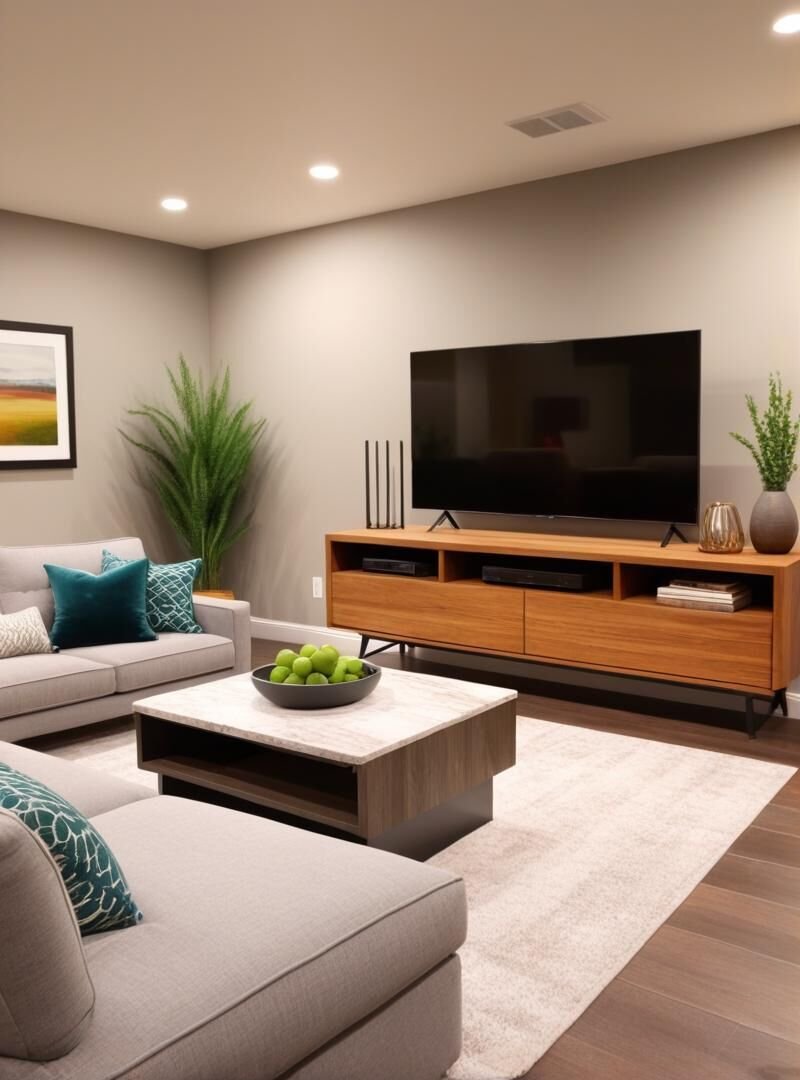
A home theater is one of the most transformative renovations a Toronto homeowner can make. Movie night shifts from a couch in the living room to a dedicated space with cinema-quality sound and image. Streaming becomes an event. Sports feel immersive. Conversation happens in a room designed specifically for entertainment.
But building a proper home theater involves more than buying a TV and speakers. The space itself — acoustic treatment, lighting control, seating design, electrical infrastructure, and climate control — is as important as the A/V equipment. Get the room wrong, and expensive equipment won’t perform.
At David Reno, we’ve transformed dozens of basement spaces and bonus rooms into professional-grade home theaters across Toronto and the GTA. We handle the construction and renovation side — the part most homeowners overlook. Then you work with an A/V specialist (or handle it yourself) for equipment installation. This guide covers everything: design, construction costs, A/V equipment pricing, timelines, and what to expect.
Table of Contents
- Home Theater Cost Quick Reference (2026)
- Cost Breakdown: Construction vs. A/V Equipment
- Construction & Renovation Costs
- A/V Equipment Costs
- Home Theater Setup by Room Type
- Design & Layout Essentials
- Factors That Influence Home Theater Costs
- Home Theater Setup by Budget
- Installation & Construction Timeline
- How David Reno Can Help
- Working with an A/V Specialist
- Tips to Save Money on Your Home Theater
- Frequently Asked Questions
Home Theater Cost Quick Reference (2026)
Home theater costs split into two categories: construction (room prep, soundproofing, electrical, seating) and A/V equipment (projector, speakers, receivers). Here’s a quick overview by budget tier.
| Setup Type | Room Size | Construction | A/V Equipment | Total Cost | Best For |
|---|---|---|---|---|---|
| Basic Setup | 250 sq ft | $4,000 – $8,000 | $4,000 – $7,000 | $8,000 – $15,000 | Casual viewers, first-time builders |
| Mid-Range | 350 sq ft | $8,000 – $15,000 | $12,000 – $25,000 | $20,000 – $40,000 | Serious movie enthusiasts, families |
| Premium Theater | 400-500 sq ft | $20,000 – $35,000 | $25,000 – $65,000 | $50,000 – $100,000 | Audiophiles, cinephiles, professional setups |
| Luxury / Custom Build | 500+ sq ft | $35,000 – $60,000+ | $60,000 – $150,000+ | $100,000+ | Premium homes, commercial-grade installations |
Cost Breakdown: Construction vs. A/V Equipment
Home theater costs split into two distinct parts. Understanding this distinction helps you allocate budget properly.
Construction Costs (Room Preparation & Build) — 50-60% of Budget
This is what David Reno handles. It includes everything required to make the room function as a theater:
- Design & layout planning: Screen size, seating distance, room acoustics assessment
- Soundproofing & acoustic treatment: Preventing audio from disturbing other rooms, controlling reflections inside
- Electrical infrastructure: Power outlets for equipment, power for projector and lighting
- Lighting design: Recessed lighting, dimmers, sconces, removal of natural light
- Seating area construction: Riser building (raised seating platform), bench installation, leather seating prep
- Climate control: HVAC adjustments, ventilation (electronics generate heat)
- Drywall, paint, finishing: Acoustic-grade drywall, dark paint, trim work
A/V Equipment Costs — 40-50% of Budget
This is typically handled by A/V specialists or the homeowner. It includes:
- Projector: $2,000 – $15,000+ (depends on brightness, resolution, throw distance)
- Screen: $500 – $3,000 (motorized screens more expensive than fixed)
- AV Receiver: $1,500 – $5,000+ (powers speakers, manages audio/video sources)
- Speaker system: $3,000 – $15,000+ (front, surrounds, back surrounds, subwoofers)
- Source devices: $1,000 – $3,000 (streaming device, Blu-ray player, game console setup)
- Cables, calibration, installation: $1,000 – $3,000
Construction & Renovation Costs
Design & Layout Planning — $500 to $2,000
Before construction begins, the space must be designed. This includes screen size, seating arrangement, sight lines, speaker placement, and acoustic considerations.
- Basic design (room assessment + recommendations): Free to $500
- Professional design (detailed layout, acoustic analysis, equipment positioning): $1,000 – $2,000
- Design + project coordination: $2,000 – $3,500
Key decisions: Projector or large TV? How many rows of seating? Where do speakers go? How dark can the room be? Poor design decisions cost more to fix later than to plan upfront.
Soundproofing & Acoustic Treatment — $2,000 to $8,000+
Acoustics are critical but often overlooked. A home theater must: (1) Prevent sound from escaping to other rooms, and (2) Control sound within the room (reflections, bass modes).
| Acoustic Solution | Purpose | Cost (350 sq ft room) | Effectiveness |
|---|---|---|---|
| Acoustic foam panels (walls/ceiling) | Control reflections inside room | $1,500 – $2,500 | Good for basic control |
| Bass traps (corners) | Control low-frequency buildup | $800 – $1,500 | Important for balanced sound |
| Resilient channels + insulation (sound isolation) | Prevent sound transmission to adjacent rooms | $3,000 – $5,000 | Very effective, requires drywall work |
| Full professional soundproofing (walls, ceiling, door) | Isolation + internal acoustic control | $6,000 – $10,000+ | Best-in-class, near-professional results |
Toronto reality: If your theater is above or adjacent to living spaces, soundproofing is essential. Budget $4,000-$6,000 for proper isolation work.
Electrical Infrastructure — $2,000 to $5,000
Home theaters require dedicated electrical circuits, multiple outlets, and surge protection. Electrical work requires a licensed electrician and ESA permit under Ontario Building Code.
| Electrical Work | Cost | Description |
|---|---|---|
| New 20-amp dedicated circuits (2-3) | $1,200 – $2,000 | For projector, receiver, and backup equipment |
| Outlets (wall-mounted, multiple locations) | $400 – $800 | At projection location, equipment rack, seating area |
| Lighting circuits (dimmers, zones) | $800 – $1,500 | For mood lighting and recessed fixtures |
| ESA permit + inspection | $200 – $400 | Required by code for new electrical work |
| Conduit/cable management | $300 – $600 | For projector, speakers, and equipment cabling |
Total electrical: $2,500 – $4,500 for a complete setup.
Lighting Design & Installation — $1,500 to $3,500
Lighting must be dimmable, controllable, and non-intrusive. Natural light is blocked. Ambient lighting creates atmosphere.
- Recessed LED can lights (dimmable, 8-12 fixtures): $1,000 – $1,800
- Wall sconces (dimmer-controlled): $500 – $1,000
- Smart lighting system (app-controlled, scenes): $600 – $1,200
- Light blocking (blackout shades, light-blocking drywall): $400 – $800
Key detail: Lighting should fade to black during movies but be functional for setup/cleanup. Smart dimming (5-10% ambient) is ideal.
Seating Area Construction — $2,000 to $8,000
Raised seating (risers) improves sightlines. Multiple rows require building platforms. Theater seating (recliners) is equipment, not construction.
- Riser construction (basic platform, 1-2 rows, 350 sq ft room): $2,000 – $3,500
- Multiple risers (3+ rows, complex layout): $4,000 – $6,000
- Built-in bench seating (alternative to recliners): $2,500 – $4,000
- Riser finishing (carpet, LED lighting, cup holders): $1,000 – $2,000
Theater seating (recliners, power motion): Not construction — this is A/V equipment. Budget $1,500 – $5,000 per seat for quality power recliners.
Climate Control & Ventilation — $1,500 to $4,000
Electronics (projector, receiver, amplifiers) generate significant heat. Basements can be cold and damp. Proper HVAC and ventilation are essential.
- Basement dehumidifier + exhaust fan: $800 – $1,500
- Mini-split AC system (ductless): $2,500 – $4,000
- Existing HVAC zone/ductwork adjustment: $1,000 – $2,000
- Ventilation for equipment (equipment closet ventilation): $500 – $1,000
Toronto climate consideration: Summer humidity is a concern for basements. Winter heat loss through walls/doors affects comfort. Proper climate control ensures comfort for viewers and longevity for equipment.
Walls, Paint & Finishing — $1,500 to $3,000
The room’s appearance matters. Dark, clean finishes create a professional theater atmosphere.
- Drywall (new or repair): $800 – $1,500
- Acoustic-grade or sound-dampening paint: $400 – $800
- Trim, baseboards, finishing: $400 – $600
- Equipment closet (dry wall, shelving): $600 – $1,000
Paint color: Dark grey, dark blue, or dark brown absorbs light and sound. Black is too dark (oppressive). Matte finish is better than gloss (reduces reflections).
A/V Equipment Costs
A/V equipment is typically not David Reno’s responsibility — but these prices help you budget and plan your overall project. You’ll work with an A/V specialist or research equipment independently.
Projector & Screen — $3,000 to $12,000+
| Component | Budget Option | Mid-Range | Premium |
|---|---|---|---|
| Projector (1080p) | $1,500 – $2,500 | $3,000 – $5,000 | $8,000 – $15,000+ |
| Projector (4K) | $2,500 – $4,000 | $5,000 – $8,000 | $12,000 – $25,000+ |
| Fixed Projection Screen (120″-150″) | $500 – $1,200 | $1,500 – $2,500 | $3,000 – $5,000 |
| Motorized Screen (120″-150″) | $1,500 – $2,500 | $2,500 – $4,000 | $5,000 – $8,000 |
Key decisions:
- Projector vs. TV: Projectors create a true theater experience (large image, immersive). TVs are simpler but smaller.
- 1080p vs. 4K: 4K looks sharper on large screens. 1080p is sufficient for smaller screens or casual use.
- Throw distance: How far from the screen to the projector? This determines which projector model fits your room.
Audio System (Receiver, Speakers, Subwoofers) — $3,000 to $20,000+
| Audio Component | Budget Setup | Mid-Range | Premium |
|---|---|---|---|
| AV Receiver (7.1 or 5.1 channels) | $1,200 – $1,800 | $2,000 – $3,500 | $4,000 – $8,000 |
| Front Speakers (left, center, right) | $800 – $1,500 | $2,000 – $3,500 | $4,000 – $8,000 |
| Surround Speakers (left, right, and rear) | $600 – $1,000 | $1,500 – $2,500 | $3,000 – $5,000 |
| Subwoofer(s) | $600 – $1,200 | $1,500 – $3,000 | $3,000 – $7,000+ |
| Speaker Calibration / Installation | $500 – $1,000 | $1,000 – $2,000 | $2,000 – $4,000+ |
Audio layout: 5.1 is minimum for a theater experience (5 speakers + subwoofer). 7.1 or 7.2 (with two subs) adds rear surrounds for better immersion. Dolby Atmos (height speakers) adds overhead dimension (premium option).
Streaming & Source Devices — $1,000 to $3,000
- Streaming device (Apple TV, Roku, Nvidia Shield): $150 – $350
- Blu-ray player (4K): $200 – $400
- Game console (PlayStation, Xbox): $500 – $800
- Cable/satellite box: Usually provided by provider
- Universal remote (programmable, backlit): $100 – $300
- Equipment rack + power conditioner: $800 – $1,500
Home Theater Setup by Room Type
| Room Type | Ideal? | Main Advantages | Challenges | Construction Cost |
|---|---|---|---|---|
| Basement | Ideal | Isolated, dark, quiet, dedicated space | Moisture, temperature control, low ceiling (sometimes) | $10,000 – $20,000 |
| Bonus Room (main floor) | Good | Easy access, natural light blockable, usually proper ceiling | Sound isolation (above/below neighbors), existing HVAC | $8,000 – $16,000 |
| Master Bedroom | Fair | Private, climate controlled already | Limited space, sound isolation challenges, room conversion loss | $8,000 – $14,000 |
| Garage | Fair | Large space, equipment access | Temperature swings, insulation needed, utilities (electrical, HVAC) expensive | $15,000 – $25,000 |
| Condo/Apartment | Challenging | Limited space, good for TV-based solution | Sound isolation (neighbors), building approval needed, projector options limited | $6,000 – $12,000 |
Design & Layout Essentials
Seating Distance & Screen Size
The distance from the screen to the seating determines optimal screen size. Sit too close and you see pixels; sit too far and you lose image detail.
| Viewing Distance | Recommended Screen Size | Projection Size (projector) |
|---|---|---|
| 8 feet | 50″-60″ TV | 80″-100″ projected image |
| 10 feet | 65″ TV | 100″-120″ projected image |
| 12 feet | 75″-85″ TV | 120″-150″ projected image |
| 14+ feet | 85″+ TV | 150″+ projected image |
Room Dimensions & Layout
Ideal ratio: Room length should be 1.5x the width. A 350 sq ft room might be 20 feet long x 17.5 feet wide. This creates good proportion for screen placement and surround speaker positioning.
Ceiling height: Minimum 8 feet. 9-10 feet is better (allows proper speaker/surround placement). Basements often have 7-8 foot ceilings — acceptable but tight.
Screen Placement
Screen should be roughly at eye level when seated. Not above the seating area (causes neck strain). Wall offset from seating should allow 10-15 feet minimum distance.
Factors That Influence Home Theater Costs
1. Room Size
Larger rooms cost more (more flooring, soundproofing, electrical, climate control). A 250 sq ft theater costs less than a 400 sq ft theater. Most home theaters are 300-400 sq ft (a good balance).
2. Soundproofing Requirements
If neighbors are below/above/adjacent, soundproofing is essential ($4,000-$8,000). If the theater is isolated (detached house, far from living spaces), basic acoustic treatment is sufficient ($1,500-$2,500).
3. Basement Moisture & Condition
A dry basement is ideal. A basement with moisture issues requires dehumidification, waterproofing, or sump pump work before renovation ($2,000-$5,000 extra).
4. Existing HVAC & Electrical
If the room has existing climate control and circuits, costs are lower. A raw basement space requires new electrical, ventilation, and HVAC ($4,000-$7,000 extra).
5. Seating Complexity
A single row of seating is simple. Multiple risers with stepped seating cost more ($3,000-$6,000 extra).
6. Acoustic Requirements
Professional acoustic treatment (bass traps, absorption panels, resilient channels) can add $3,000-$6,000. Basic treatment (foam panels, blackout) is less expensive.
Home Theater Setup by Budget
Budget Tier: $8,000 – $15,000
Target: First-time theater enthusiast, casual use, bonus room or spare bedroom.
Construction ($4,000 – $7,000):
- Basic soundproofing (acoustic panels): $1,200-$1,800
- Electrical work (2 circuits, outlets, lighting): $1,500-$2,000
- Paint, drywall finishing, trim: $800-$1,200
- Basic lighting (recessed fixtures, dimmers): $500-$900
- Climate control (if basement): $500-$1,000
A/V Equipment ($4,000 – $8,000):
- 65″-75″ 4K TV (instead of projector): $1,500-$2,000
- Budget AV receiver (5.1): $1,000-$1,500
- Budget speaker package: $1,000-$1,500
- Streaming device + setup: $500-$1,000
Best for: Smaller rooms, TV-based solution, casual movie watching, budget-conscious builders.
Mid-Range Tier: $20,000 – $40,000
Target: Movie enthusiast, basement conversion, 2-3 rows of seating.
Construction ($8,000 – $18,000):
- Soundproofing (acoustic treatment + partial isolation): $2,500-$3,500
- Electrical (3 dedicated circuits, multiple outlets, ESA permit): $2,000-$3,000
- Lighting (recessed LED + sconces + dimming): $1,200-$1,800
- Seating risers (1-2 rows): $2,000-$3,500
- Drywall, paint, equipment closet: $1,500-$2,000
- Climate control (mini-split AC if basement): $2,000-$3,000
A/V Equipment ($12,000 – $22,000):
- 1080p or entry 4K projector: $3,000-$4,500
- Motorized projection screen (120″): $2,000-$2,500
- Mid-range AV receiver (7.1): $2,000-$3,000
- Quality speaker package (7.1): $3,000-$5,000
- Subwoofer: $1,000-$1,500
- Streaming devices, installation: $1,000-$1,500
Best for: Serious movie enthusiasts, families, dedicated basement theaters.
This is the “sweet spot” for Toronto homeowners. You get a true theater experience, proper construction, good audio/video equipment, and room for future upgrades.
Premium Tier: $60,000 – $100,000+
Target: Cinephile, professional-grade installation, custom seating, premium finishes.
Construction ($25,000 – $50,000+):
- Full professional soundproofing (isolation + absorption): $5,000-$10,000
- Electrical (dedicated subpanel, multiple circuits, premium outlets): $3,000-$5,000
- Lighting (smart system, zones, mood lighting): $2,000-$3,500
- Custom seating risers (3+ rows, heated, powered recliners): $6,000-$12,000
- Premium HVAC (dedicated mini-split + humidity control): $4,000-$6,000
- Custom drywall, acoustic-grade materials, premium finishes: $3,000-$5,000
- Design + project management: $2,000-$3,500
A/V Equipment ($35,000 – $50,000+):
- 4K projector (quality cinema projection): $6,000-$12,000
- Premium motorized screen: $3,000-$5,000
- Premium AV receiver (Dolby Atmos capable): $3,000-$5,000
- Premium 7.2.4 speaker system (with height speakers): $6,000-$15,000+
- Multiple subwoofers: $3,000-$8,000
- Professional calibration + installation: $3,000-$5,000+
Best for: Audiophiles, cinephiles, competitive enthusiasts, showcase installations.
Installation & Construction Timeline
| Phase | Duration | What Happens |
|---|---|---|
| Design & planning | 1-2 weeks | Site assessment, layout design, equipment planning, equipment selection |
| Permits (if needed) | 2-4 weeks | Electrical permit application and approval (required for new circuits) |
| Drywall & framing prep | 2-4 days | Build seating risers, framing for acoustic treatment, wall repairs |
| Electrical work | 3-5 days | Run circuits, install outlets, lighting fixtures, ESA inspection |
| Soundproofing & acoustic treatment | 2-4 days | Install insulation, resilient channels (if full soundproofing), acoustic panels |
| Drywall finishing & taping | 3-5 days | Drywall installation, mudding, sanding, preparation for paint |
| HVAC & climate control | 2-3 days | Install AC units, ventilation, ductwork adjustments |
| Paint & finishing | 2-3 days | Paint walls, install trim, baseboards, equipment closet finishing |
| Equipment delivery & A/V installation | 3-5 days | Projector, screen, speakers installed; calibration and setup |
Total timeline: For a mid-range home theater renovation (basement space, construction + A/V), expect 8-12 weeks total from design to first movie night.
How David Reno Can Help
Building a home theater requires expertise across multiple trades — framing, electrical, acoustic design, HVAC, drywall finishing. At David Reno, we handle the construction and renovation side. We prepare the space for A/V installation.
David Reno handles:
- Space assessment & design: We evaluate room size, ceiling height, moisture, existing HVAC, and recommend layout for optimal viewing and sound
- Seating riser construction: We build platforms for multiple rows of seating with proper sightlines
- Soundproofing & acoustic treatment: We install insulation, resilient channels, drywall, and acoustic panels to control sound
- Electrical infrastructure: Licensed electrician, permits, new circuits for projector/equipment, power for lighting
- Lighting design: Recessed LED fixtures, dimmers, zones, sconces — all integrated into design
- Climate control: HVAC assessment, AC unit installation, ventilation for equipment heat management
- Drywall, finishing, paint: Professional finishes, acoustic-grade paint, equipment closet, trim work
- Project coordination: We manage the construction timeline so everything is ready for A/V installation
You or an A/V specialist handles:
- Projector selection and installation
- Screen selection and mounting
- Speaker selection and calibration
- AV receiver selection and setup
- Streaming device and source configuration
The advantage: Construction and A/V are separate. You know exactly what David Reno costs and what A/V specialists cost. You can choose budget A/V equipment and premium construction, or vice versa.
Working with an A/V Specialist
For most homeowners, hiring an A/V specialist makes sense. They have industry connections, warranty access, and calibration expertise.
What to Look For in an A/V Specialist
- CEDIA certification (industry standard)
- Experience with home theater design and installation
- References from past clients (request home theater installs specifically)
- Willingness to work with David Reno’s construction (we hand off a ready space)
- Warranty coverage on equipment and installation labor
- Professional calibration services (critical for optimal sound and image quality)
Questions to Ask an A/V Specialist
- “What’s your process for assessing our room before recommending equipment?”
- “Do you provide acoustic consulting or work with acoustic designers?”
- “What warranty do you offer on labor and equipment?”
- “How do you handle system maintenance and calibration after installation?”
- “Can you work with a contractor’s timeline (David Reno’s construction schedule)?”
Tips to Save Money on Your Home Theater
1. Start with a TV-Based System (Simpler, Cheaper)
A 65″-85″ 4K TV costs less than a projector and screen, requires less construction, and is simpler to use. Upgrade to a projector later if desired.
2. Build Seating Yourself (If Comfortable)
A single riser with basic bench seating is DIY-able. Professional risers with powered recliners require expertise. Saving $2,000-$3,000 on seating construction can be worth the effort if you’re handy.
3. Buy Used or Refurbished Equipment
Projectors, receivers, and speakers are available refurbished or used — often 30-50% cheaper. CEDIA-certified installers sometimes have rental inventory they discount.
4. Phase Your A/V Investment
Buy a mid-range AV receiver and speakers now. Upgrade to premium speakers later. This spreads cost over time and lets you adjust based on actual preferences.
5. Skip Premium Soundproofing If Unnecessary
If your theater is isolated (basement in a detached house), basic acoustic treatment ($1,500-$2,500) is sufficient. Full soundproofing ($5,000+) is only essential if neighbors are nearby.
6. Use Existing HVAC If Possible
If your home’s central HVAC can serve the theater room (add a zone, extend ductwork), it’s cheaper than a standalone mini-split. Budget $1,500-$2,500 instead of $3,500-$5,000.
7. DIY Cable Management & Organization
Cable management, shelving, equipment racks — these are DIY-friendly and save money on labor.
Frequently Asked Questions
Is a home theater worth it?
If you watch movies or shows regularly, yes. A home theater improves quality of life and increases home value (3-5% in competitive markets like Toronto). But if you rarely watch movies, it’s hard to justify $20,000+. Be honest about your usage.
Should I choose a projector or a TV?
Projector: True cinema experience, larger image, immersive. Requires 10+ feet viewing distance, proper dark room. Cost: $3,000-$12,000. TV: Simpler, brighter room acceptable, easier setup. Limited to 85″ maximum (practically). Cost: $1,500-$2,500. Choose based on room size and preference.
Do I need a separate receiver or can I use a TV’s built-in speakers?
TV speakers are weak. A proper theater requires a separate AV receiver + speaker system for immersive sound. Budget $3,000-$5,000 minimum for decent audio. This is where most of the magic happens in a home theater.
What’s the minimum I should budget for a home theater?
$8,000-$12,000 for a basic system (room prep + TV-based setup). Less than this and you’re cutting corners on room quality or A/V equipment (and will regret it).
How long does a home theater renovation take?
Expect 8-12 weeks from planning to first movie night. Construction takes 4-6 weeks, A/V installation takes 2-3 days but equipment delivery can add weeks.
Can I build a home theater in a condo?
Yes, but with limitations. Building approval is required. Sound isolation is critical (neighbors below/above). A TV-based system works better than a projector in limited space. Budget $10,000-$18,000 for a decent condo theater.
What if my basement is damp?
Address moisture before renovation. Install dehumidification, check sump pump function, seal foundation cracks. Moisture damage to equipment and construction defeats the purpose. Budget $2,000-$5,000 for moisture control first.
Ready to Build Your Home Theater in Toronto?
David Reno has designed and built dozens of home theaters across Toronto and the GTA — from basement conversions to bonus room builds to condo installations.
We handle the construction: seating risers, soundproofing, electrical, lighting, climate control, drywall finishing. We prepare your space for A/V installation and ensure every detail supports optimal audio and video performance.
You then work with an A/V specialist (or handle equipment selection yourself) for projector, screen, speakers, and receiver installation.
Whether your budget is $10,000 or $80,000, we’ll design and build a theater that fits your space and vision — on time, on budget, with a fixed-price quote.
We serve North York, Scarborough, Etobicoke, Mississauga, Markham, and all of Toronto.
🎬 Call us today: 647 463 2246
📧 Email: info@davidreno.ca
📍 Serving all of Toronto & GTA
⚡ Spring renovation season is peak time for theater builds — book your free design consultation today.