
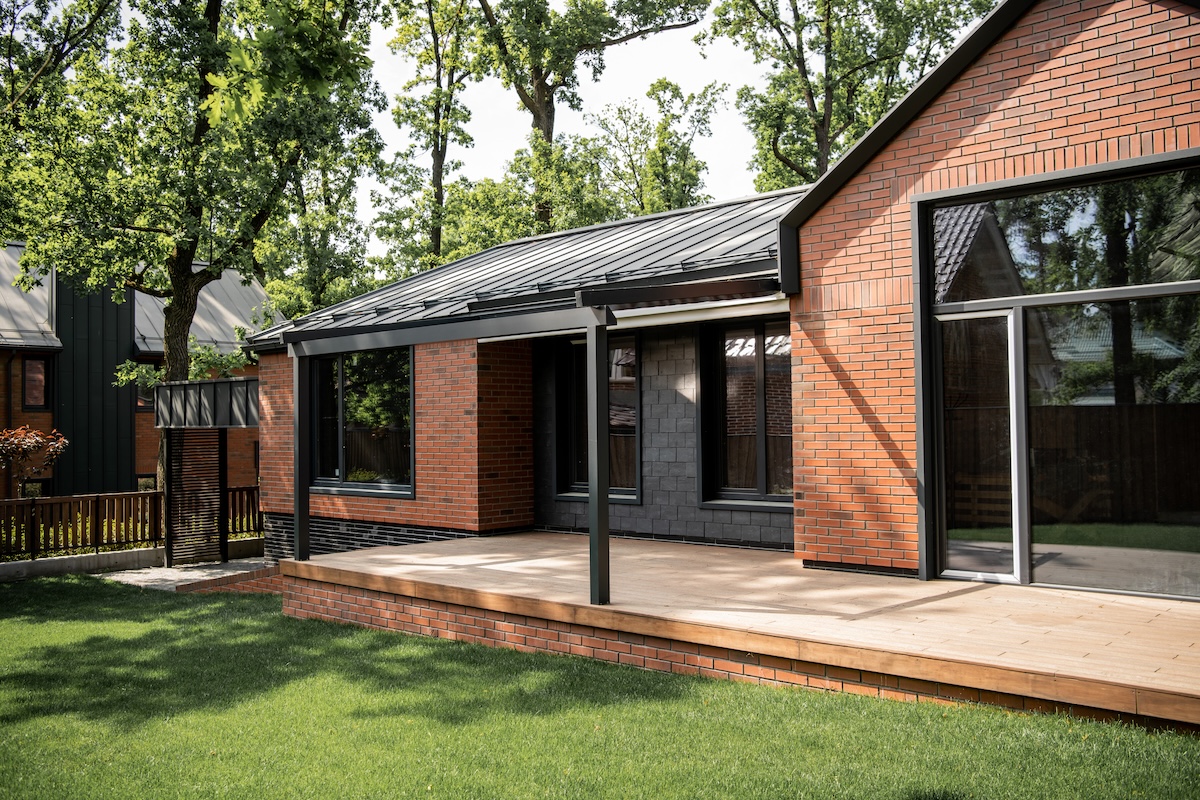
Urban living in Toronto and its surrounding cities like Markham, Vaughan, North York, Mississauga, and Scarborough has created a unique challenge for homeowners: limited space. With rising property values, competitive real estate markets, and zoning restrictions, many homeowners are turning to home additions and smart renovation strategies to make the most of their small lots without moving. If you live in the Greater Toronto Area (GTA) and are exploring how to expand your home on a small lot, this blog will guide you through everything you need to know—from design ideas to zoning laws to cost-saving tips.
At David Reno, a trusted Toronto contractor for full-service home renovations, we specialize in transforming compact lots into highly functional, stylish, and livable spaces. Whether you’re planning a second-story addition, rear extension, basement expansion, or laneway suite, this guide offers insight on how to stretch every square foot.
Table of Contents
- Why Home Additions Make Sense on Small Lots
- Understanding Zoning Bylaws and Toronto Building Codes
- Vertical vs. Horizontal Expansion: Pros and Cons
- Top Smart Extension Ideas for Small Lots
- Design Strategies to Maximize Small Spaces
- Cost of Home Additions in Toronto and the GTA
- Energy Efficiency and Sustainability Considerations
- Working with a Professional Contractor
- Permits and Approval Process
- Final Tips: Getting the Most from Your Property
- Why Choose David Reno for Your Home Addition
- Conclusion
1. Why Home Additions Make Sense on Small Lots
Toronto and surrounding municipalities are among the most space-constrained areas in Canada. Many homeowners find themselves needing more living space but not wanting to leave their central location. Rather than buying a bigger home or moving to the suburbs, a home addition or extension on your current small lot offers a cost-effective, equity-building solution.
Benefits include:
- Increasing your livable square footage without relocating
- Customizing space to suit your lifestyle (home office, rental suite, etc.)
- Adding long-term property value
- Creating multi-generational living arrangements
For homeowners in urban neighbourhoods such as North York, Scarborough, or Vaughan, maximizing a small lot can dramatically improve both the functionality and value of your property.
2. Understanding Zoning Bylaws and Toronto Building Codes
Before planning any home extension or addition in Toronto, it’s critical to understand local zoning bylaws and building codes. The City of Toronto, along with surrounding cities like Markham, Mississauga, and Richmond Hill, have regulations that dictate:
- Maximum lot coverage (the percentage of land your home can occupy)
- Setback requirements (distance from property lines)
- Building height limits
- Floor space index (FSI) limits
- Green space requirements
- Rules around laneway and garden suites
For small lots, these rules can be restrictive, but not impossible to work around. You may need to apply for minor variances or seek Committee of Adjustment (COA) approvals to proceed with certain additions. At David Reno, we guide our clients through this complex regulatory environment to streamline the process.
3. Vertical vs. Horizontal Expansion: Pros and Cons
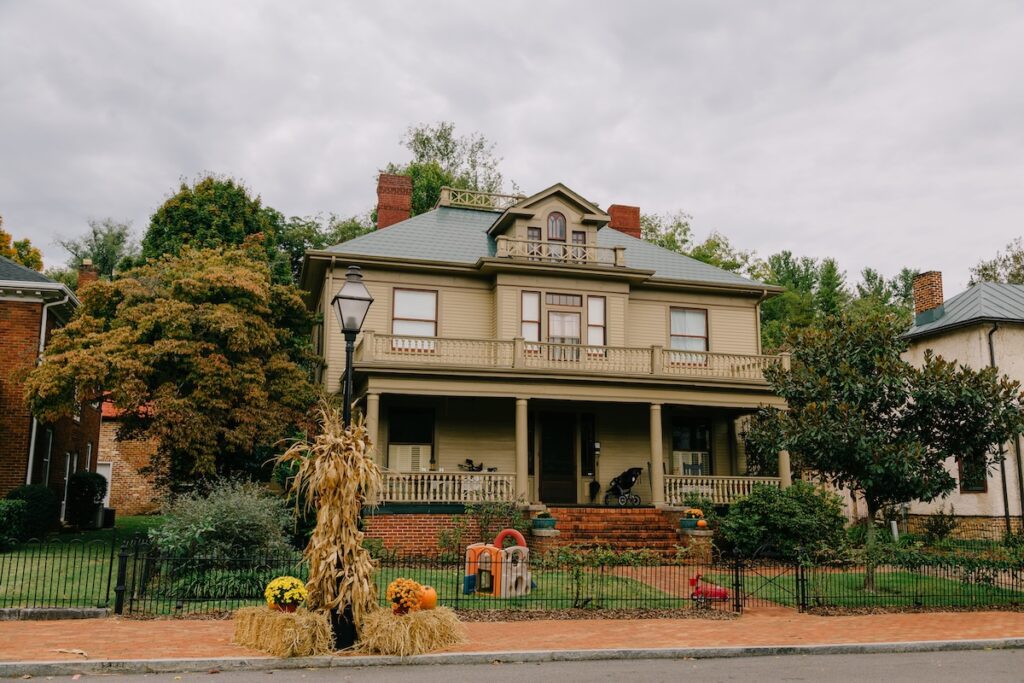
When space is tight, one of the first decisions is whether to build up or build out.
Vertical Additions (Building Up)
- Pros: No loss of yard space; adds substantial square footage
- Cons: Requires structural reinforcement; can be more costly
- Ideal for: Toronto neighborhoods with deep setback restrictions but fewer height limitations
Horizontal Additions (Building Out)
- Pros: Simpler construction process; easier for aging-in-place designs
- Cons: May limit outdoor space; potential for setback violations
- Ideal for: Corner lots or properties with wide side or rear yards
In many cases, a combination of vertical and horizontal extensions may offer the best return.
4. Top Smart Extension Ideas for Small Lots
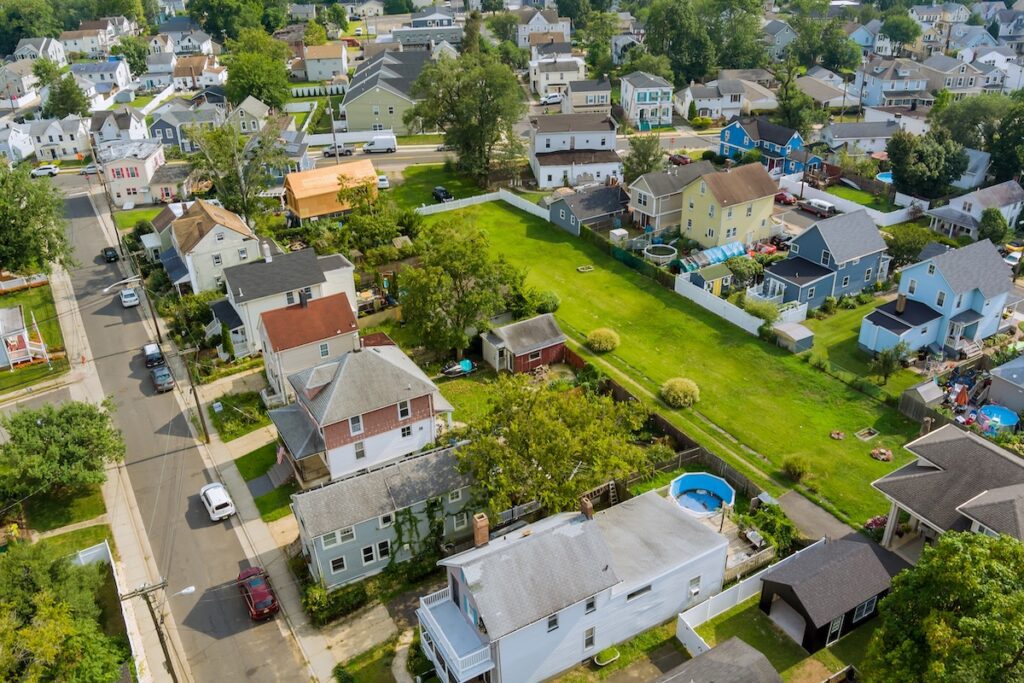
Second-Story Additions
Adding a second story is one of the most effective ways to double your living space without encroaching on your outdoor area. Ideal for urban Toronto homes where lot coverage is maxed out, this strategy allows for:
- Additional bedrooms and bathrooms
- A private primary suite
- Home office or gym spaces
- Separate floor for multigenerational living
Make sure your foundation and existing structure can handle the load—a task that David Reno’s structural engineers can assess and handle professionally.
Rear Extensions
Extending the rear of your home is another common choice. Even just 10 to 15 additional feet can drastically improve your kitchen, dining room, or family room. Rear additions work well with open-concept renovations and are easier to integrate into existing structures.
Basement Lowering (Underpinning)
Many older Toronto homes have shallow basements. Underpinning or basement lowering allows you to increase ceiling height and convert the basement into a legal suite or functional living space.
Advantages:
- Adds full-height living area without altering the exterior footprint
- Can create rental income through a legal basement unit
- Perfect for homes in North York, Scarborough, and Vaughan with old foundations
Side Additions
While rarer due to narrow lots, side additions are possible with minor variances or on corner properties. These can house small extensions like:
- Mudrooms
- Home offices
- Breakfast nooks or pantries
Laneway and Garden Suites
Toronto’s laneway suite program has made it easier than ever to build detached secondary units behind your primary residence. These are excellent for:
- Rental income
- In-law suites
- Guest houses
- Downsizing while keeping ownership of the property
If your home backs onto a laneway or has sufficient yard space, this is a smart, cost-effective way to maximize small lot potential.
5. Design Strategies to Maximize Small Spaces
Great design is essential to making small extensions feel spacious and comfortable. Here are proven techniques:
- Open-concept layouts eliminate unnecessary walls and enhance flow
- Natural light through large windows, skylights, or sliding doors can brighten and enlarge spaces
- Smart storage like under-stair drawers or built-in cabinets maximizes utility
- Multifunctional rooms (e.g., office/guestroom combos) increase flexibility
- Vertical design elements like tall windows or vaulted ceilings give the illusion of space
Working with David Reno means getting access to experienced designers who specialize in small-space solutions.
6. Cost of Home Additions in Toronto and the GTA

The cost of a home extension or addition on a small lot depends on several factors:
- Size of the addition
- Type of addition (second story, basement, etc.)
- Materials used
- Permit and zoning application fees
- Structural upgrades
- Finishing details (flooring, cabinetry, etc.)
General Cost Estimates:
- Second-story additions: $250 – $400 per square foot
- Rear/side additions: $200 – $350 per square foot
- Basement lowering: $100,000 – $150,000+
- Laneway/garden suites: $300,000 – $500,000
While these costs may seem high, a well-planned addition can yield excellent ROI, especially in high-demand areas like Markham and Mississauga.
7. Energy Efficiency and Sustainability Considerations
Modern extensions should also be energy efficient and environmentally conscious. At David Reno, we recommend:
- High-performance windows and doors
- Spray foam or rigid board insulation
- Efficient HVAC systems
- LED lighting and smart thermostats
- Solar panels for eligible roofs
- Green roofs or permeable landscaping for sustainability
These upgrades reduce your utility bills and contribute to long-term savings.
8. Working with a Professional Contractor
A smart extension on a small lot requires a high level of expertise. It’s not a DIY project. You need a licensed, experienced, and insured Toronto contractor who understands:
- Local bylaws and approval processes
- Structural integrity and load-bearing requirements
- Efficient layout and interior flow
- Budget control and scheduling
David Reno offers full-service home remodeling solutions in Toronto, from design to build, with a strong portfolio of successful small lot projects.
9. Permits and Approval Process
Permitting is often the most time-consuming part of the project. Depending on the complexity, you may need:
- Zoning certificates
- Minor variance approvals
- Building permits
- Plumbing and electrical permits
- Heritage approvals (in designated neighborhoods)
Our team handles all permit applications and liaises with city officials to streamline the process.
10. Final Tips: Getting the Most from Your Property
- Plan for future use. Consider how your family might grow or change over time.
- Think resale. Even if you’re not selling soon, a smart addition adds value.
- Invest in design. Great aesthetics make compact spaces feel luxurious.
- Work with pros. Mistakes on small lots are expensive.
- Understand the neighbourhood. Some areas (like older parts of Toronto or Vaughan) have more lenient rules than others.
11. Why Choose David Reno for Your Home Addition
David Reno is a leading Toronto contractor with decades of experience in home renovations across Toronto, Markham, North York, Scarborough, Mississauga, and Vaughan. We specialize in custom solutions for small urban lots, delivering:
- Architectural design and drafting
- Permit management
- Full construction services
- Interior and exterior finishing
- Energy-efficient upgrades
- Transparent pricing and honest consultation
Our goal is to help GTA homeowners maximize space, value, and comfort—without the stress.
12. Conclusion
Toronto’s small lots don’t have to mean small living. With the right vision, smart design, and expert construction, you can transform your home into a spacious, modern oasis. Whether it’s a second-story addition, basement suite, or laneway home, David Reno has the tools and expertise to make it happen.
Get in touch today for a no-obligation consultation. Let’s build something exceptional together.