
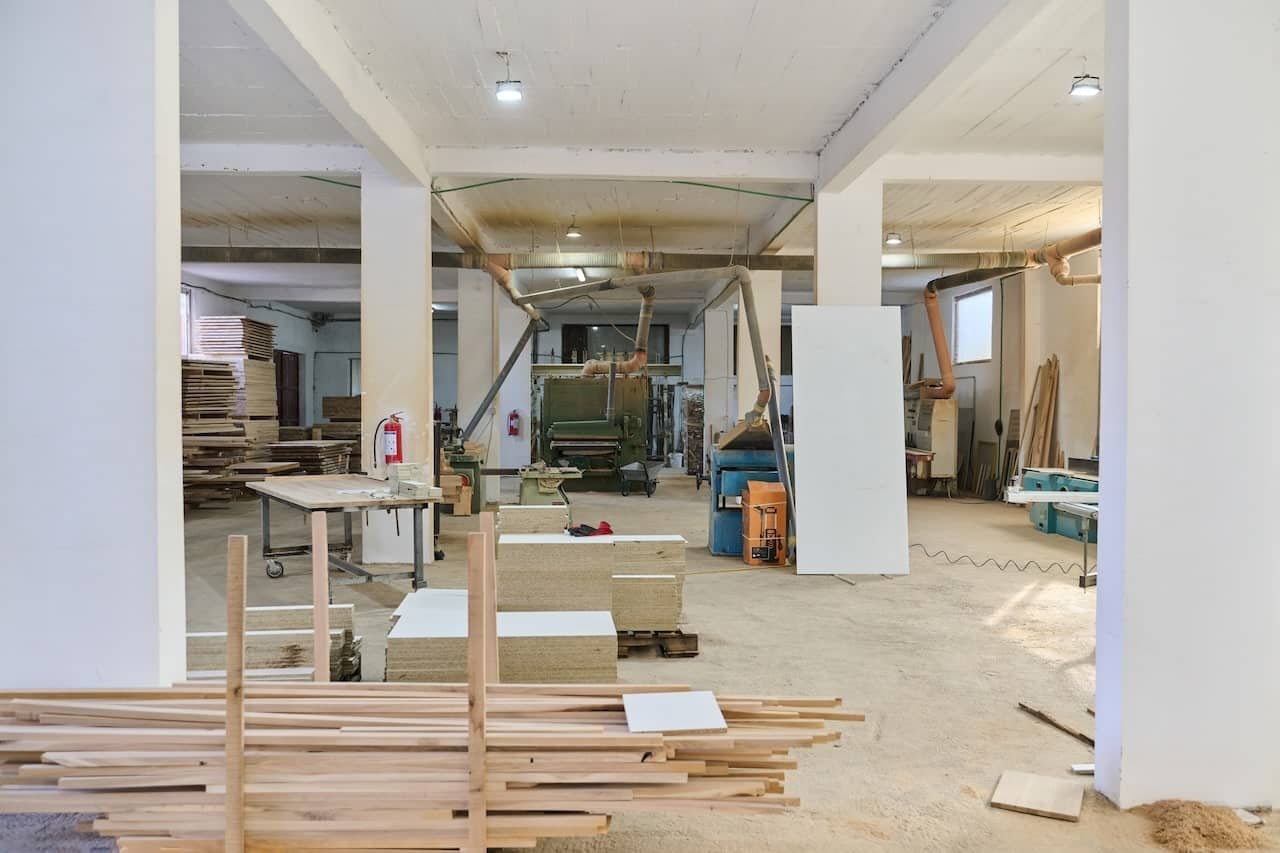
Open Concept Renovation Toronto 2026: Cost, Permits & What to Expect
Walk through almost any Toronto home built before 1990, and you’ll notice the same thing: a kitchen tucked away from the living room, a dining room sealed off by walls, a main floor that feels smaller than it actually is. It made sense for its era. It makes almost no sense for how Toronto families live today.
Open concept renovations are now among the most requested projects in the GTA — and for good reason. Removing walls to create connected, light-filled living spaces improves daily quality of life, increases natural light, and adds real resale value in one of Canada’s most competitive real estate markets. But it’s also one of the most technically complex renovations a homeowner can undertake. Get it right, and the result is transformative. Get it wrong, and you’re looking at structural problems that cost far more to fix than to prevent.
At David Reno, open concept conversion is one of our core specialties. We’ve transformed dozens of closed-off Toronto floor plans into the open, modern living spaces our clients dreamed about — from semi-detached homes in Leslieville to detached houses in North York. This guide covers everything you need to know: what it costs, what permits are required, and what to watch out for at every stage.
What Is an Open Concept Renovation?
An open concept renovation involves removing or altering interior walls to merge previously separate living spaces into a single, connected area. The most common version in Toronto homes is integrating the kitchen and living room — but the scope can range from removing a single partition wall to reconfiguring an entire main floor.
The result is a home that feels larger, brighter, and more connected. In the Toronto resale market, open concept layouts are consistently among the first features buyers look for — and one of the most common reasons a dated home sits while an updated one sells quickly.
Before any wall comes down, however, the most important question isn’t aesthetic — it’s structural.
Load-Bearing vs. Non-Load-Bearing Walls: Why It’s the First Question
Not every wall can simply be removed. Some walls carry the structural load of the floors and roof above them. Removing a load-bearing wall without proper engineering support can compromise your home’s structural integrity — a problem that may not show up immediately but that becomes catastrophic and expensive over time.
Signs a wall may be load-bearing:
- The wall runs perpendicular to floor joists
- The wall is located near the centre of the home
- There is a wall, column, or post directly below it in the basement
- The wall runs directly below a roof ridge or upper-floor wall
- The wall is present in the same position on every floor of the home
A structural engineering assessment in the Toronto area typically costs $500 to $1,500. This is not an optional expense. It produces the stamped drawings required for your City of Toronto building permit — and it protects your home and your investment.
Open Concept Renovation Cost Toronto 2026
Open concept renovation costs in Toronto vary widely depending on whether walls are load-bearing, how many walls are involved, and what finishing work follows the structural changes. Here’s a practical breakdown for 2026:
| Project Scope | Typical Cost Range (CAD) | What’s Included |
|---|---|---|
| Non-load-bearing wall removal | $1,500 – $5,000 | Demo, patching, paint, minor electrical re-routing |
| Single load-bearing wall removal | $8,000 – $20,000 | Structural engineer, permit, LVL or steel beam, temporary support, finishing |
| Multi-wall open concept (kitchen + living) | $20,000 – $50,000+ | Multiple walls, full electrical and plumbing relocation, new flooring, lighting design |
| Full main-floor conversion | $50,000 – $120,000+ | Complete layout reconfiguration, new kitchen integration, premium finishes |
What Drives the Cost Up
- Beam type: An LVL (laminated veneer lumber) beam is more affordable. A steel I-beam is required for longer spans — and costs more to supply and install.
- Span length: The wider the opening, the larger and more expensive the structural beam required.
- Electrical relocation: Walls often contain circuits, outlets, and light switches. These must be re-routed by a licensed ESA electrician — and an ESA permit is required.
- Plumbing in the wall: If a wall contains supply or drain lines (common in older Toronto homes where the kitchen and a powder room share a wall), plumbing relocation can add $3,000–$8,000.
- Flooring continuity: Removing walls exposes floor gaps where the old wall sat. Matching existing hardwood, or replacing the entire main floor, is often necessary for a cohesive result.
- HVAC reconfiguration: An open floor plan changes how air circulates. Ductwork adjustments are sometimes necessary to maintain proper heating and cooling distribution.
Toronto Permits for Open Concept Renovations
This is where many homeowners get tripped up — or get taken advantage of by contractors who suggest skipping permits to “save time.”
| Work Type | Permit Required? | Permit Authority |
|---|---|---|
| Load-bearing wall removal | Yes — always | City of Toronto Building Permit + structural drawings |
| Non-load-bearing wall removal (no trades affected) | Generally no | N/A — verify with contractor |
| Electrical relocation or new circuits | Yes | Electrical Safety Authority (ESA) |
| Plumbing relocation | Yes | City of Toronto Plumbing Permit |
| HVAC ductwork changes | Depends on scope | City of Toronto — confirm with contractor |
The permit fee for a load-bearing wall removal project in Toronto typically ranges from $400 to $1,500, depending on project scope. This is a small fraction of the total project cost — and skipping it creates risks that far outweigh the savings.
Unpermitted structural work is a disclosure item at resale, can void homeowner’s insurance, and may result in a City order to expose the work for inspection — which means tearing out finished walls and flooring to prove compliance.
The David Reno Open Concept Process: Step by Step
An open concept renovation has more moving parts than most homeowners expect. Here’s exactly how David Reno approaches every project — from the first phone call to the final walkthrough.
Step 1 — Free On-Site Assessment
We visit your home, walk the main floor with you, and assess the feasibility of your vision. We identify which walls are candidates for removal, note any visible indicators of load-bearing structure, and discuss your goals — more light, better flow, kitchen integration, or all of the above. This visit is free, with no obligation.
Step 2 — Structural Engineering Review
For any wall we believe may be load-bearing, we coordinate a visit from a licensed structural engineer. Their assessment confirms exactly which walls carry structural load, what beam specification is required to replace that load, and what the stamped drawings will show for the permit application. We coordinate this directly — you don’t need to source an engineer on your own.
Step 3 — Fixed-Price Written Quote
Once we have the structural engineer’s input, we provide a fully itemized, fixed-price written quote. This covers demolition, beam supply and installation, temporary support structure, permit fees, electrical relocation, plumbing (if applicable), ceiling and wall patching, flooring transition, and all finishing work. No line items hidden. No “extras” that weren’t discussed.
Step 4 — Permit Applications
We submit the City of Toronto building permit application with the structural engineer’s stamped drawings. We also pull any required ESA or plumbing permits. Permit timelines for open concept projects in Toronto typically run 2 to 4 weeks — we factor this into your project schedule so there are no surprises.
Step 5 — Demolition with Temporary Support
Before any load-bearing wall comes down, we install temporary support walls that carry the structural load during the transition. This is non-negotiable — skipping temporary support is how structural damage happens. The wall is then carefully demolished, with existing electrical and plumbing safely de-energized or capped before work begins.
Step 6 — Beam Installation and Inspections
The specified LVL or steel beam is installed and supported by posts or columns at each end. We schedule the City of Toronto framing inspection before closing any walls — this is a required inspection step and the moment the permit is fully validated. ESA electrical inspection follows if new circuits or relocated wiring is involved.
Step 7 — Trades Finish Work
Once inspections pass, our trades complete the finish work: drywall, taping, painting, ceiling continuity, pot light installation, flooring transitions, and any millwork. The goal at this stage is a result where you can’t tell the wall ever existed — a seamlessly unified space.
Step 8 — Final Walkthrough and Warranty
We walk the completed project with you before closing the file. Any touch-ups are completed before final payment is due. Your written labour warranty kicks in from the date of final walkthrough — not from project start.
Open Concept Renovation Timelines in Toronto
| Scope | Permit Timeline | Construction Timeline | Total |
|---|---|---|---|
| Single non-load-bearing wall | None required | 3 – 5 days | Under 1 week |
| Single load-bearing wall | 2 – 4 weeks | 1 – 2 weeks | 3 – 6 weeks total |
| Multi-wall / kitchen + living integration | 3 – 5 weeks | 3 – 5 weeks | 6 – 10 weeks total |
| Full main-floor conversion | 4 – 6 weeks | 6 – 10 weeks | 10 – 16 weeks total |
Permit timelines are the primary variable in any Toronto open concept project — and they’re the one factor nobody can rush. David Reno submits permit applications as early as possible in the project timeline, so construction can begin the moment the permit is issued. We also schedule structural engineer site visits quickly — typically within one week of your initial assessment.
Is an Open Concept Renovation Worth It in Toronto?
Consistently, yes — particularly in the GTA resale market. Open concept layouts are actively sought by buyers, and homes with connected main-floor living spaces regularly command premiums over equivalent closed-layout homes in the same neighbourhood.
Beyond resale value, the day-to-day quality-of-life improvement is significant. Natural light travels further into the home. Parents can see children playing from the kitchen. Entertaining shifts from a fragmented experience to a genuinely connected one. For Toronto homeowners in older homes — the Annex, Leaside, Roncesvalles, Mimico, Etobicoke — an open concept renovation is often the single highest-impact change they can make to the way they live in their home.
The key is doing it right. The structural engineering, the permits, the beam specification, the trade sequencing — shortcuts in any of these areas create problems that are expensive and disruptive to fix. David Reno’s approach to open concept renovation is the same as our approach to every project: thorough, fully permitted, and backed by a written warranty.
Frequently Asked Questions
How much does it cost to remove a load-bearing wall in Toronto in 2026?
Removing a single load-bearing wall in a Toronto home typically costs between $8,000 and $20,000 in 2026. This includes the structural engineer’s assessment and stamped drawings, the City of Toronto building permit, temporary support structure, LVL or steel beam supply and installation, electrical re-routing by a licensed ESA electrician, and all ceiling, wall, and flooring finish work. Wider spans requiring a steel I-beam — common in open-concept kitchen conversions in older Toronto semis — tend toward the upper end of that range or beyond. The best way to get an accurate number for your specific home is a free on-site assessment from a licensed Toronto contractor.
Do I need a permit to remove a wall in Toronto?
It depends on whether the wall is load-bearing. Any load-bearing wall removal in Toronto requires a City of Toronto building permit, and the application must be accompanied by stamped structural engineering drawings. Non-load-bearing wall removal generally does not require a building permit — unless the wall contains electrical wiring that needs to be relocated (which requires an ESA permit) or plumbing (which requires a plumbing permit). Skipping a required permit creates disclosure obligations at resale, can void homeowner’s insurance, and may result in a City order to expose and re-inspect the work. David Reno manages all permit applications on your behalf as a standard part of our service.
How do I know if a wall is load-bearing?
The only reliable way to confirm whether a wall is load-bearing is a structural engineer’s assessment. Visual indicators — walls running perpendicular to floor joists, centre-of-home positioning, walls directly below roof ridges — are useful starting points, but they are not a substitute for professional evaluation. An experienced contractor can often identify likely load-bearing walls, but should never guarantee a conclusion without engineering confirmation. David Reno coordinates the structural engineer assessment as part of our project scoping process — we never proceed with load-bearing wall removal without stamped engineering drawings in hand.
Can an open concept renovation be done while we live in the house?
For single-wall projects — yes, in most cases. Dust and noise are significant during demolition, and we recommend planning around that period. For larger multi-wall or full main-floor projects that substantially affect the kitchen for several weeks, temporary living arrangements are worth considering — especially for families with young children. David Reno provides a detailed project schedule before work begins so you know exactly when each phase will affect access to your kitchen and main living areas.
How much value does an open concept renovation add to a Toronto home?
Open concept layouts are consistently among the most sought-after features in the Toronto resale market. While return on investment varies by neighbourhood, home type, and project quality, well-executed open concept conversions in the GTA regularly deliver strong returns — particularly in older housing stock where closed layouts are the norm and open-plan homes stand out. Beyond resale, the daily quality-of-life improvement — more light, better flow, a more connected family space — is something our clients consistently cite as the most meaningful change to their home.
Ready to Open Up Your Toronto Home?
David Reno specializes in open concept conversions across Toronto and the GTA — from single wall removals to full main-floor transformations. Structural engineering coordination, full permit management, licensed trades, and a written warranty on every project.
We’ve done this in North York, Scarborough, Etobicoke, Leaside, Roncesvalles, Leslieville, Mississauga, and Markham. We know Toronto homes — the challenges they present and the results they’re capable of.
📞 Call us today: (647) 463-2246
📧 Email: info@davidreno.ca
📍 Serving all of Toronto & GTA
⚡ Spring and summer renovation spots fill quickly — book your free on-site assessment today.