
Table of Contents
- Introduction: Why Accessibility Matters for Aging in Place
- Understanding Home Accessibility for Seniors
- Key Accessibility Upgrades: What to Consider
- 3.1 Entrance and Exterior Access
- 3.2 Doorways, Hallways and Interior Layout
- 3.3 Bathroom and Shower Modifications
- 3.4 Kitchen and Living Area Adjustments
- 3.5 Flooring, Lighting & Slip-Resistance
- 3.6 Home Automation and Safety Features
- Cost Breakdown of Common Accessibility Upgrades in Toronto
- Permits, Building Codes & Requirements in the GTA
- Funding, Grants & Tax Credits for Senior Accessibility Upgrades
- Return on Investment: Value Added by Accessibility Renovations
- How to Choose the Right Contractor in Toronto for Senior-Focused Renovations
- Challenges Specific to Small Lots & Older Homes in Toronto
- Conclusion: Prioritizing Safety, Comfort & Value
1. Introduction: Why Accessibility Matters for Aging in Place
Many homeowners in Toronto, Markham, Vaughan, Mississauga, Scarborough, North York and Richmond Hill are reaching a point where they’re thinking ahead: “Can I live safely and comfortably in my home as I age?” The answer often lies in thoughtful home renovations geared toward accessibility. Rather than relocating, upgrading your current home makes sense for familiarity, community ties, and financial logic.
At David Reno—a full-service renovation company in Toronto offering interior and exterior renovations, home additions, custom builds, basement remodels, open concept designs, flooring, roofing and landscaping—we understand the unique needs of seniors who want to remain in their home. In this guide we’ll break down what accessibility means in a home setting, the upgrades that matter most, how much they cost in Toronto in 2025, regulatory and permit considerations, available funding, and how David Reno can support you through the process.
2. Understanding Home Accessibility for Seniors
Home accessibility means modifying a residence to allow safe, comfortable movement and use by persons with mobility, sensory or other functional limitations. For seniors this often includes:
- Minimizing fall risk
- Ensuring mobility (walking aids, wheelchairs) can navigate the space
- Making everyday tasks (cooking, bathing) easier and safer
- Preparing for possible future needs (e.g., caregiver access)
Accessibility isn’t just “making do”; it’s about dignity, independence and long-term usability. According to a Toronto-area specialist, “Key features include grab bar installation, non-slip flooring, widened doorways, stair lift installation and walk-in shower installation.”
In older Toronto homes, structural limitations, narrow hallways and uneven floors make accessibility renovations more complex—but also more valuable.
3. Key Accessibility Upgrades: What to Consider
Here are the major upgrade categories when renovating for seniors.
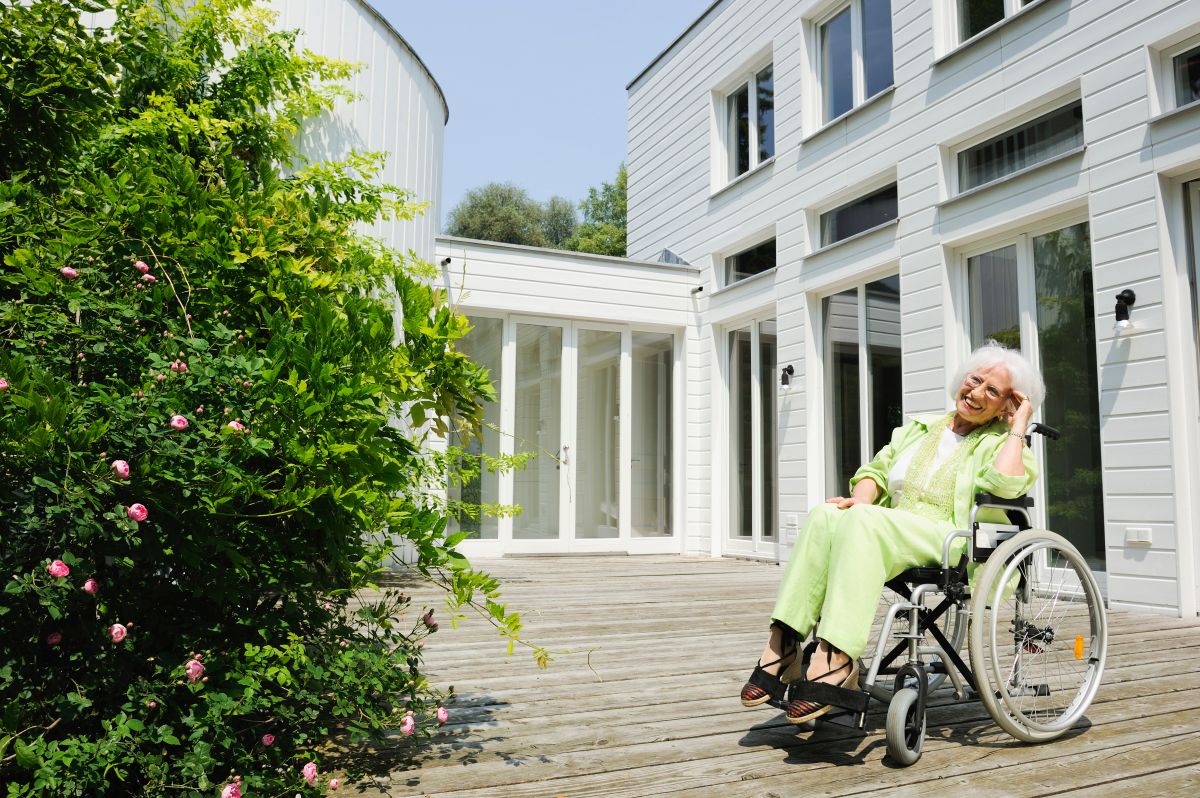
3.1 Entrance and Exterior Access
- Ramps or low-slope walkway to front door
- Zero-step entry (no stair at threshold)
- Exterior lighting for better visibility
- Wider exterior doors
Costs are typically in the low thousands. One contractor lists “stair ramps” at $1,000-4,000 in Ontario.
3.2 Doorways, Hallways and Interior Layout
- Widening doorways (e.g., to 32-36″) for mobility devices
- Removing thresholds
- Reconfiguring rooms for single-level living
- Installing lever door handles instead of knobs
Door widening is shown at “$300-2,500” in one Ontario cost list.
3.3 Bathroom and Shower Modifications
- Walk-in or roll-in showers
- Curbless entries
- Grab bars and reinforced walls for future assistive devices
- Comfort-height toilets
- Non-slip flooring and easy-access vanities
According to one guide: “Any accessible bathroom renovation that alters plumbing, electrical, or structure requires a building permit under the Ontario Building Code.”
Typical added cost: $2,000-$3,500 on top of base renovation in the GTA.
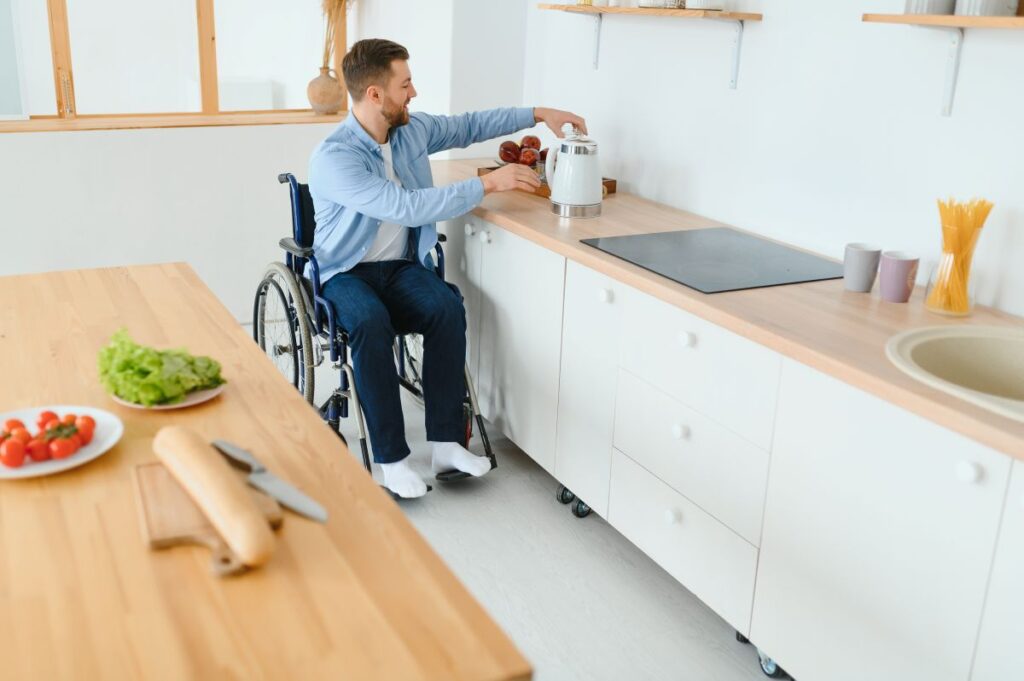
3.4 Kitchen and Living Area Adjustments
- Lowered countertops, pull-out shelves
- Step-free access from one room to another
- Open floor plans for easy mobility
- Lighting and switch design for lower-vision users
3.5 Flooring, Lighting & Slip-Resistance
- Hard flooring but with non-slip surfaces
- Level transitions between rooms
- Improved ambient and task lighting
- Remove cluttered corners and tripping hazards
3.6 Home Automation and Safety Features
- Smart sensors for fall detection
- Voice/control lighting and thermostats
- Remote-enabled locks and cameras
- Alerts for caregiver or family support
4. Cost Breakdown of Common Accessibility Upgrades in Toronto
Let’s break down typical costs (2025 estimates for the GTA):
| Upgrade | Estimated Cost | Notes |
|---|---|---|
| Widen doorways | $300 – $2,500 | Depends on structural walls & finishes |
| Stair ramp | $1,000 – $4,000 | Outdoor or indoor ramp |
| Walk-in/roll-in shower | + $2,000 – $7,500 on top of base bath remodel | Extra waterproofing & layout changes |
| Home adaptation cost range | $9,000 – $48,000 (depending on scope) | Full-home modifications |
| Tax credit eligible spend | up to $20,000 qualifying expenses | Floor widening, grab bars, etc. |
| Permits & consultations | Permits required for structural/plumbing changes | Adds to cost |
Given the variability of homes in the GTA (age, condition, layout), it’s wise to budget a contingency of 10-20%.
5. Permits, Building Codes & Requirements in the GTA
When modifying a Toronto home for accessibility:
- Structural changes (door widening, wall removal) require a Building Permit.
- Plumbing changes (e.g., new barrier-free shower) also need permit/inspection.
- Work must comply with the Ontario Building Code and municipal bylaws.
- For older homes, you may need to comply with additional fire/safety rules for multi-occupancy.
- If you’re changing your home usage (eg., creating a “suite” for a senior), zoning and property use permit issues may arise.
Working with a contractor familiar with these requirements (like David Reno) ensures your renovation is compliant and avoids costly delays or legal issues.
6. Funding, Grants & Tax Credits for Senior Accessibility Upgrades
Great news: there are incentives in Canada/ON to support accessibility upgrades.
- The Home Accessibility Tax Credit (HATC) allows eligible persons (65+ or Disability Tax Credit qualified) to claim 15% of up to $20,000 of qualifying expenses.
- The Multigenerational Home Renovation Tax Credit (MHRTC) offers a refundable credit for creating a self-contained unit for a senior or adult with a disability (up to $50,000 eligible spend).
- The municipality-administered Toronto Renovates program provides forgivable loans/grants for home repairs and accessibility modifications.
These incentives can significantly reduce net cost and encourage homeowners to upgrade safely.
7. Return on Investment: Value Added by Accessibility Renovations
While ROI for accessibility upgrades is more than financial. They:
- Increase your home’s resale appeal to extended households (seniors staying independent)
- Potentially lower insurance cost (better safety, fewer claims)
- Allow aging in place rather than relocating
According to one Ontario accessibility expert: “Barrier-free home design… can increase a home’s resale appeal as buyers increasingly value universal design.”
When done well, accessibility upgrades can yield value that goes beyond simple dollars.
8. How to Choose the Right Contractor in Toronto for Senior-Focused Renovations

When working on accessibility upgrades:
- Choose a contractor with proven experience in senior-friendly design.
- Ensure they handle permits, code compliance, accessibility standards.
- Ask for references from similar renovations (Toronto, Markham, Vaughan).
- Make sure materials are suitable (non-slip flooring, adequate lighting etc.).
- Ensure cost transparency and inclusive of consultation/design phase.
David Reno brings full-service expertise in interior & exterior renovations, home additions, small-lot properties, custom builds—equipped to handle accessibility upgrades with dignity, skill and compliance.
9. Challenges Specific to Small Lots & Older Homes in Toronto
Many Toronto homes face unique obstacles:
- Narrow hallways and doorways in heritage homes
- Older construction with multiple levels and stairs
- Small lot homes where adding ramps or elevators is tricky
- Basement or attic access issues
These require customized solutions (e.g., modular lifts, compact platforms) and may add cost—but with the right design they still deliver accessibility with style and value.
10. Conclusion: Prioritizing Safety, Comfort & Value
Renovating your home for senior accessibility is a powerful investment in safety, independence and long-term value. Whether you’re updating a bathroom, widening doorways, or planning a full home-adaptation renovation across Toronto and the GTA, the benefits far outweigh the costs—especially when done correctly.
At David Reno, we support homeowners through every stage—design, permitting, construction—to create accessible, comfortable, and valuable homes in Toronto, Markham, Vaughan, Mississauga, Scarborough, North York and Richmond Hill. Contact us today. Let’s make your home ready for today and tomorrow.