
Table of Contents
- Introduction
- Why Permits Are Important in Home Renovations
- When Do You Need a Permit in Toronto?
- Types of Permits Required for Home Renovations
- 4.1 Building Permit
- 4.2 Electrical Permit
- 4.3 Plumbing Permit
- 4.4 Demolition Permit
- 4.5 HVAC/Mechanical Permit
- 4.6 Heritage Permit
- 4.7 Zoning and Committee of Adjustment Approvals
- What Renovations Require a Permit in Toronto?
- What Renovations Don’t Require a Permit?
- The Cost of Permits in Toronto
- The Permit Application Process in Toronto
- Common Mistakes Homeowners Make With Permits
- How Long Do Permits Take to Get Approved?
- Why Work With a Toronto Contractor for Permits?
- Permits Beyond Toronto: Markham, Vaughan, Mississauga, Scarborough, North York, and Richmond Hill
- Frequently Asked Questions (FAQs)
- Conclusion
Introduction
For many homeowners in Toronto and the GTA, planning a home renovation is exciting. Whether you’re updating a kitchen, remodeling a bathroom, finishing a basement, or building a home addition, it’s tempting to jump straight into the project. However, before any work begins, understanding what permits are required is critical.
At David Reno, a trusted Toronto contractor specializing in full-scale residential renovations, we know the ins and outs of the city’s building permit system. Failing to secure the right permits can lead to fines, stop-work orders, safety risks, and difficulties when selling your home. This guide explains everything you need to know about permits for home renovations in Toronto—from when you need them, what types exist, how much they cost, and how the process works.
Why Permits Are Important in Home Renovations
- Ensure Safety: Permits confirm renovations meet Ontario Building Code standards.
- Protect Home Value: Illegal work can lower property value and scare off buyers.
- Avoid Legal Trouble: Non-permitted work may lead to fines or forced demolition.
- Insurance Coverage: Claims may be denied if damage is caused by unpermitted work.
- Peace of Mind: Permits guarantee compliance and quality workmanship.
When Do You Need a Permit in Toronto?
According to the City of Toronto Building Department, permits are required for most structural, electrical, plumbing, and major mechanical renovations.
General rule: If the renovation changes your home’s structure, systems, or use—it requires a permit.
Types of Permits Required for Home Renovations
4.1 Building Permit
Issued for structural changes, additions, or major remodeling. Examples:
- Home additions or extensions
- Removing or altering load-bearing walls
- Finishing a basement with new rooms or plumbing
- Building decks over 10m² (108 sq ft)
4.2 Electrical Permit
Required for any new electrical installation or modification.
- Adding outlets or circuits
- Installing pot lights
- Upgrading electrical panels
4.3 Plumbing Permit
Covers changes to water supply or drainage.
- Adding bathrooms or kitchens
- Moving plumbing fixtures
- Installing backflow preventers
4.4 Demolition Permit
Needed before tearing down walls, garages, or other structures.
4.5 HVAC/Mechanical Permit
Covers new or altered heating, ventilation, or air conditioning systems.
4.6 Heritage Permit
For renovations on heritage-designated properties.
4.7 Zoning and Committee of Adjustment Approvals
Required if your project doesn’t comply with local zoning (setbacks, lot coverage, height).
What Renovations Require a Permit in Toronto?
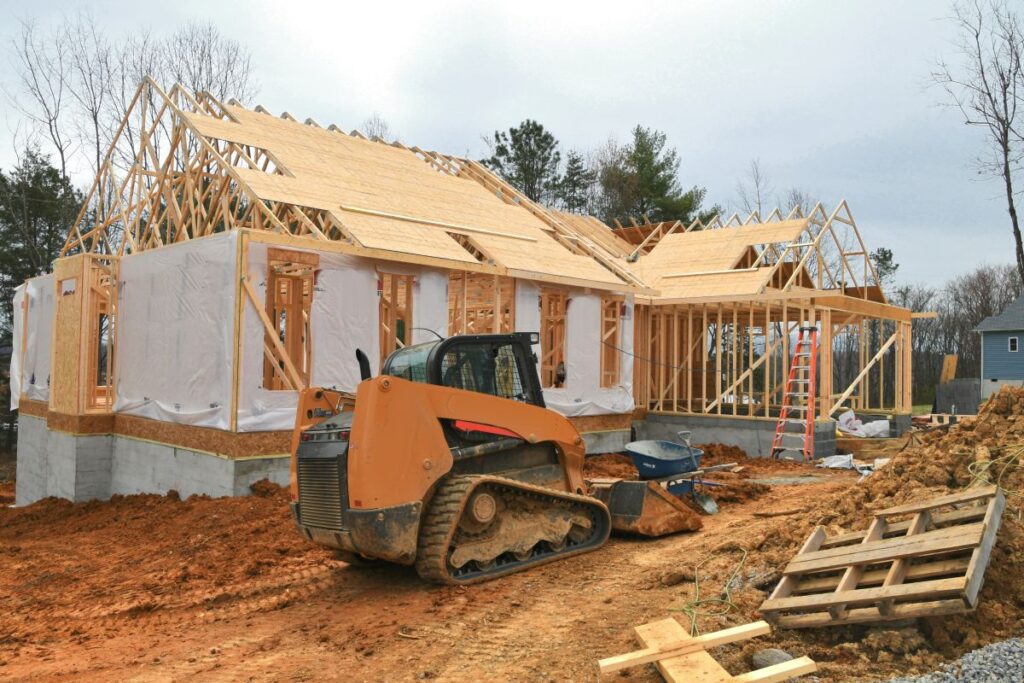
- Home additions or extensions
- Basement renovations (if adding bathrooms, bedrooms, or kitchens)
- Garage construction
- Decks/patios over 108 sq ft or above 2 ft high
- Interior wall removal (load-bearing walls)
- New plumbing fixtures
- Electrical upgrades
- Roof structure modifications
- Window enlargements
What Renovations Don’t Require a Permit?
Some minor updates don’t require permits:
- Painting, flooring, tiling, and other cosmetic updates
- Kitchen cabinet replacements (without plumbing/electrical changes)
- Re-roofing with the same material type
- Replacing windows/doors (same size, same location)
- Fences under height limits
- Decks under 108 sq ft and less than 2 ft high
The Cost of Permits in Toronto
Permit fees vary by project size and scope. In 2025, expect:
- Building Permit: $150 – $2,000+ depending on square footage
- Electrical Permit: $79 – $300 (based on work)
- Plumbing Permit: $100 – $300+
- HVAC Permit: $100 – $400
- Demolition Permit: $150 – $500
Pro Tip: Fees are often calculated per square meter of renovated space.
The Permit Application Process in Toronto
- Design Plans: Prepare drawings from an architect, engineer, or qualified designer.
- Application Submission: Apply online through Toronto’s e-permitting system.
- Review: City reviews compliance with zoning and building code.
- Approval: Permits issued within 2–6 weeks (longer for large projects).
- Construction & Inspections: Work must be inspected at key stages.
- Completion & Final Approval: Project closed once passes final inspection.
Common Mistakes Homeowners Make With Permits
- Starting construction before approval
- Submitting incomplete drawings
- Ignoring zoning bylaws on small lots or lot coverage limits
- Hiring unlicensed contractors
- Skipping final inspection
These mistakes can cause costly delays.
How Long Do Permits Take to Get Approved?
- Small projects (decks, minor renovations): 2–4 weeks
- Medium projects (basements, garages): 4–8 weeks
- Large projects (home additions, custom builds): 8–16+ weeks
Factors: project complexity, heritage designation, zoning variances.
Why Work With a Toronto Contractor for Permits?

At David Reno, we handle the entire permit process:
- Designing compliant plans
- Submitting permit applications
- Coordinating with engineers and inspectors
- Managing inspections during construction
- Ensuring your renovation is stress-free and fully legal
Permits Beyond Toronto: Markham, Vaughan, Mississauga, Scarborough, North York, and Richmond Hill
Each GTA municipality has its own bylaws:
- Markham: Similar to Toronto, but stricter on heritage homes.
- Vaughan: Requires additional stormwater management approvals for home additions.
- Mississauga: Has zoning limits on secondary suites.
- Scarborough: Follows Toronto standards, but older homes often need electrical/HVAC upgrades.
- North York: Permit processing times can be longer due to high demand.
- Richmond Hill: Strict on lot coverage for home additions and extensions.
Hiring a contractor experienced in multiple municipalities (like David Reno) ensures smoother approvals.
Frequently Asked Questions (FAQs)
Q1: Can I apply for a permit myself?
Yes, but most homeowners hire a contractor to avoid errors.
Q2: What happens if I renovate without a permit?
You risk fines, stop-work orders, and forced demolition of the work.
Q3: Do all home additions require permits?
Yes, any structural addition or extension requires a permit.
Q4: How much should I budget for permits in a major home renovation?
Plan for 2–5% of total renovation costs.
Q5: Does landscaping need a permit?
No, unless it involves retaining walls over 1m high.
Conclusion
Home renovations in Toronto and the GTA can be transformative, but they must be done legally. Permits ensure safety, compliance, and peace of mind. Whether you’re planning a kitchen remodel, basement finishing, or full home addition, securing the right permits is a vital first step.
At David Reno, we not only deliver high-quality home renovations across Toronto, Markham, Vaughan, Mississauga, Scarborough, North York, and Richmond Hill, but we also manage the entire permitting process for you. From drawings to approvals and inspections, our team ensures your project runs smoothly, legally, and beautifully.